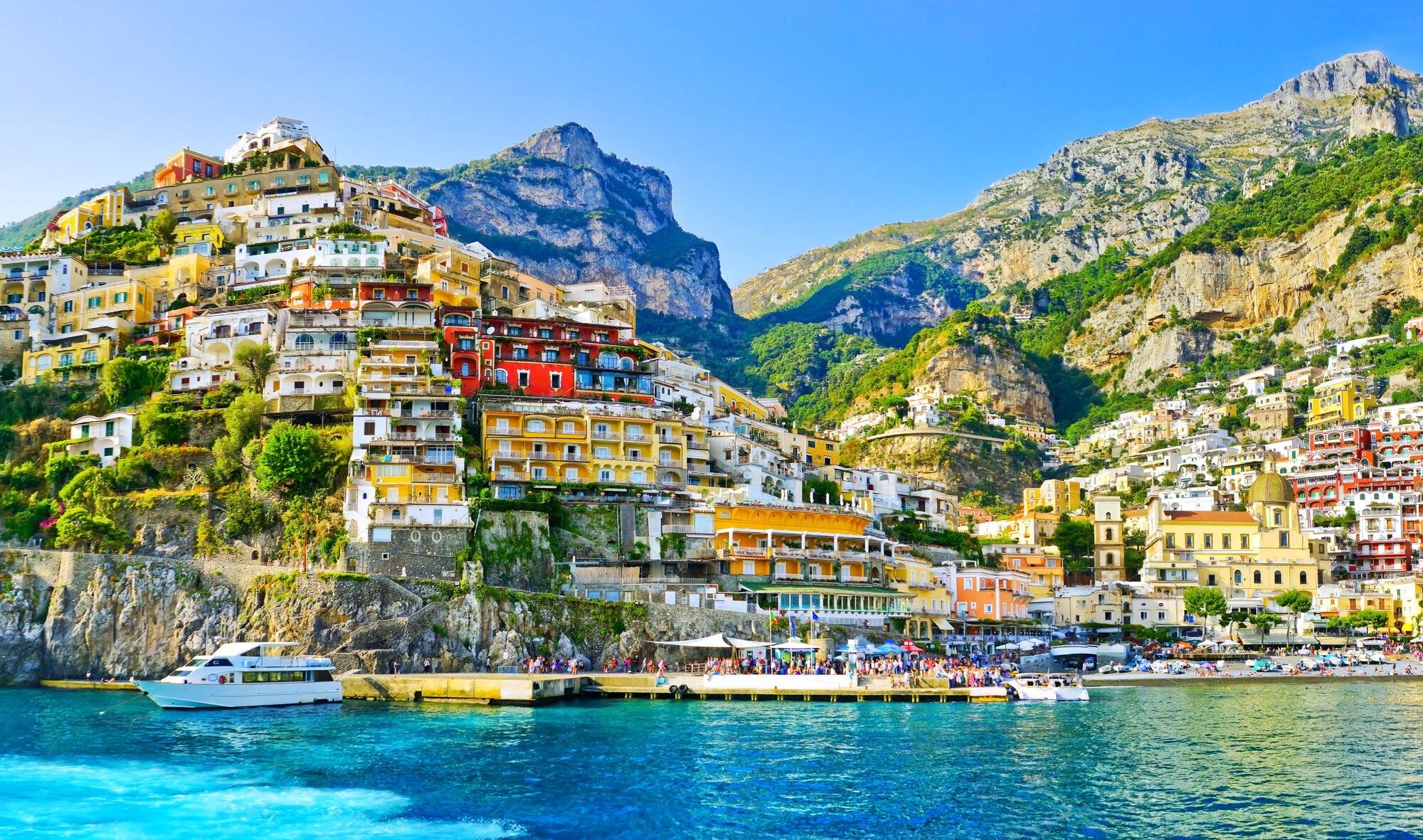
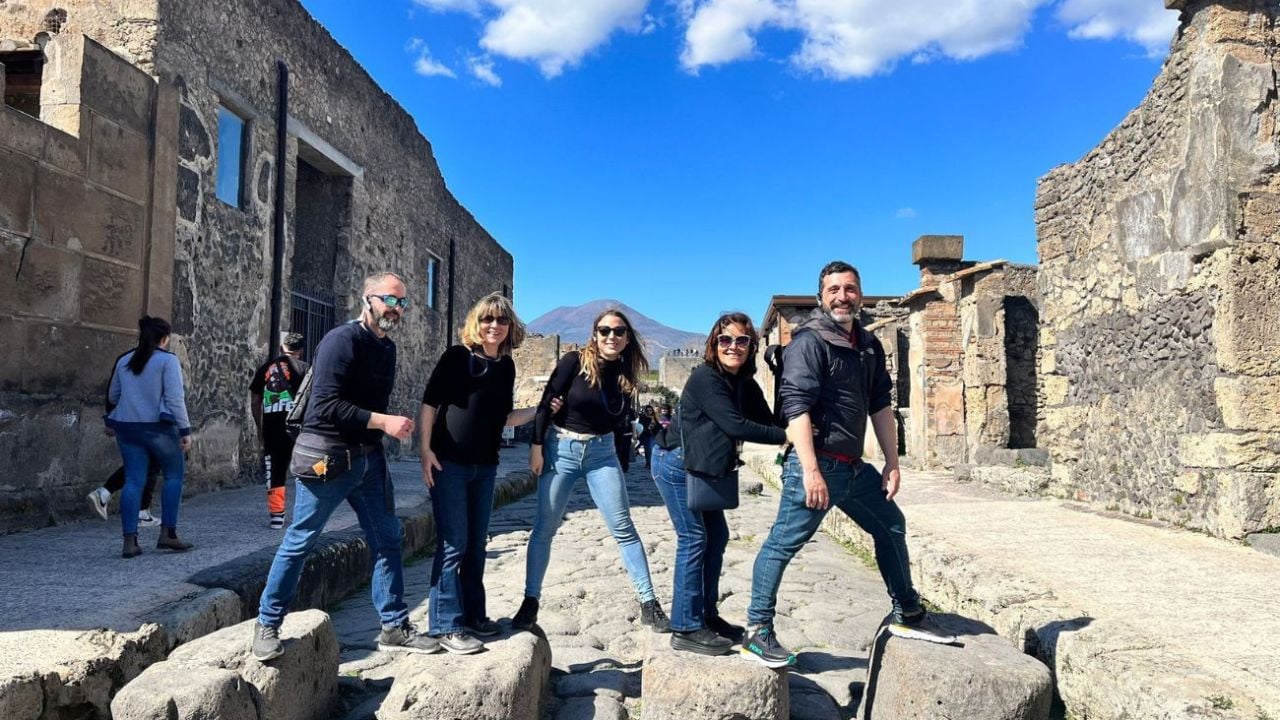
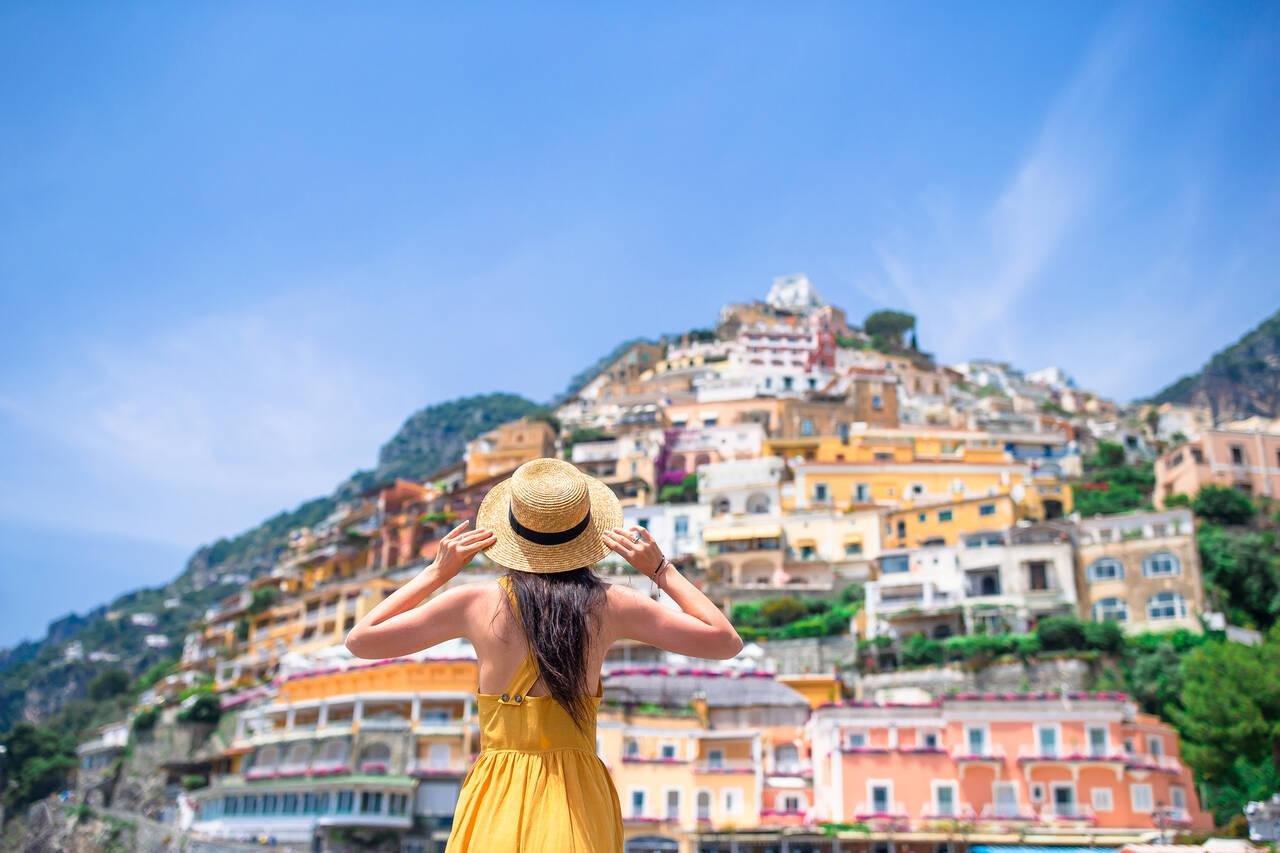
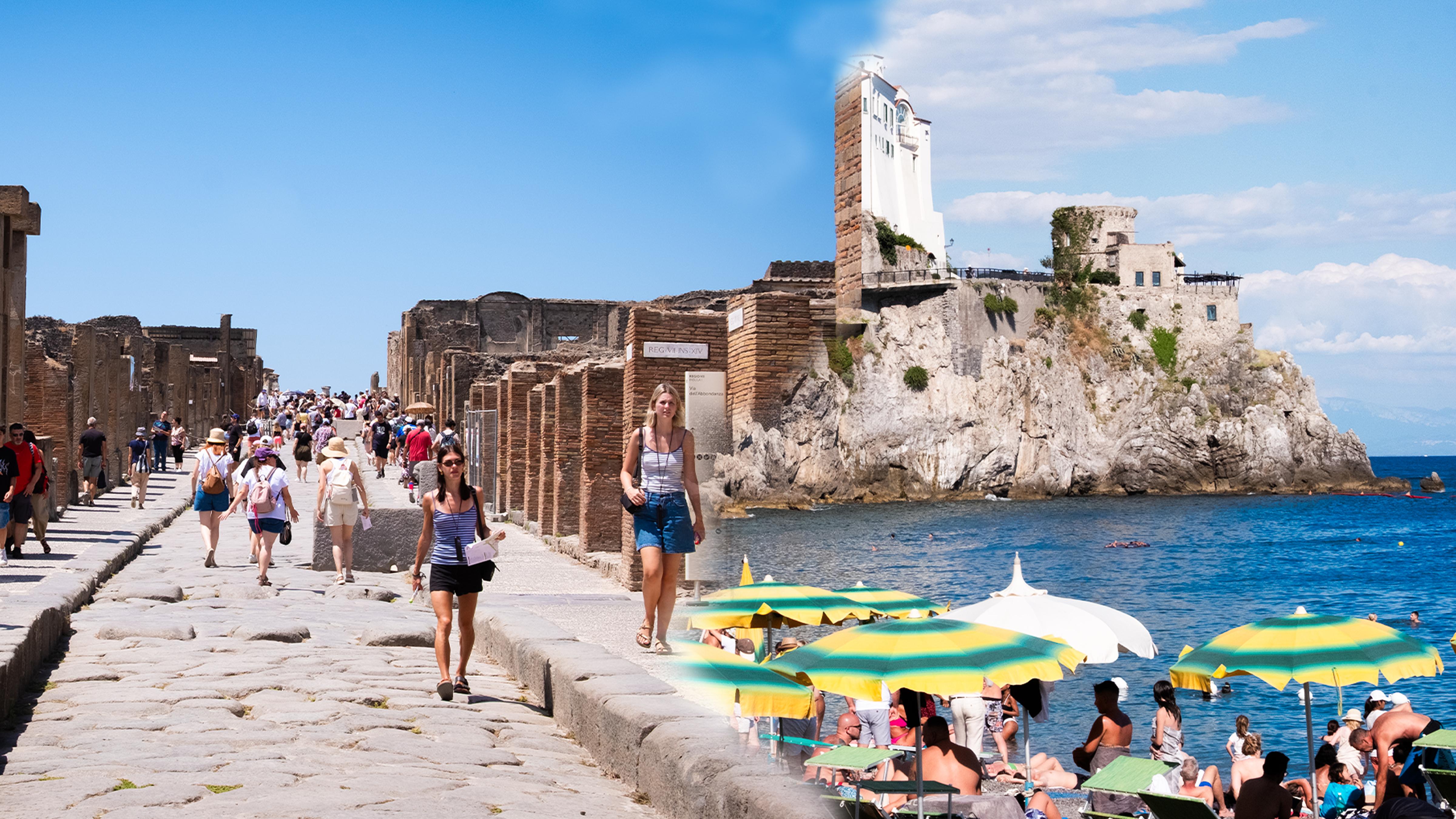
13 hr
Pompeii, Amalfi Coast & Sorrento Day Trip from Rome
- Expert local guide
- Small group
- Skip-the-line access
- Free cancellation
Rome to Amalfi Coast by Rail — High-Speed Transfers & Coastal Connections
Trenitalia Frecciarossa to Salerno, onward by SITA bus or ferry
Compare fares, pick the fit — all bookings are mobile-voucher and eligible for free cancellation where shown.
13 hr
15 hr
13 hr
Planning a rome to amalfi coast tour by train requires understanding that the coastline itself is a public destination with no central admission gate. Travelers should evaluate these options based on whether they prefer independent exploration or structured transportation services.
| Public Access Independent Travel |
Top pick Guided Day Trip Transport Included |
|
|---|---|---|
| Entrance Fee | 0 EUR | 0 EUR |
| Access Type | Open access | Guided transfer |
| Flexibility | Full | Scheduled |
| Primary Transport | Regional train and bus | Private van and rail |
| Best for | Independent explorers | First-time visitors |
| See tickets & prices |
Verdict: Those prioritizing ease of transit should select a rome to amalfi coast tour by train tour, while budget-conscious travelers may prefer individual rome to amalfi coast tour by train tickets.
Worth it if time is tight
A rome to amalfi coast tour by train day trip solves the logistics nightmare of reaching one of Italy's most dramatic coastlines from the capital. Organized tours bundle transport, coastal ferry transfers, and guided stops in Positano, Amalfi, and often Pompeii or Sorrento—removing the need to navigate multiple train changes, narrow bus routes, and ferry schedules on your own. Expect to pay €100–180 per person depending on inclusions; vineyard lunches and Pompeii entry add cost. The trade-off is real: you'll spend 3–4 hours in transit each way and get 4–6 hours on the coast itself, often split between towns. For travelers with limited days in Italy who want to see the iconic cliffside villages without renting a car or spending a night on the coast, the convenience justifies the price. Independent travelers with flexible schedules will find better value staying overnight in Sorrento or Salerno and exploring at their own pace.
Bottom line: If you have only one day and want to see the Amalfi Coast's highlights without the planning headache, rome to amalfi coast tour by train tours deliver real value despite the long journey.
Organized tours offer stress-free transit, while a rome to amalfi coast tour by train provides superior independence for those navigating the Tyrrhenian coastline. Most visitors who experience both prefer the transit efficiency of the bus for a single-day trip.
|
Top pick Train & Ferry |
Organized Bus Tour | |
|---|---|---|
| Flexibility | High self-directed pace | Fixed group schedule |
| Transit comfort | Varies by connection type | Direct climate-controlled coach |
| Group size | Individual travel | 15–50 passengers |
| Navigational ease | Requires independent planning | Fully guided logistics |
| Cost predictability | Variable per booking | All-inclusive single fee |
| See tickets & prices |
Verdict: Securing rome to amalfi coast tour by train tickets suits independent travelers, whereas an organized bus tour is better for those prioritizing effortless travel logistics.
Hand-picked experiences loved by thousands of travelers
11-12 hours
Free Cancellation
Escape Rome for a full-day coastal adventure visiting Positano, Sorrento, and the stunning Amalfi shoreline
9 hours
Free Cancellation
Skip the bus journey and travel by express rail to explore ancient Pompeii, then savor wines and lunch at a volcanic vineyard
15 hours
Free Cancellation
Discover two stunning coastal villages on a full-day escape featuring scenic boat sailing and limoncello
10 - 12 hours
Free Cancellation
Journey to ancient ruins and coastal beauty in one unforgettable day from the capital
11 hours
Free Cancellation
Discover Positano and Amalfi via high-speed rail and scenic boat rides along UNESCO-listed cliffs
1 day
Free Cancellation
Journey to Italy's stunning coastline via high-speed rail and boat, exploring Positano and Amalfi
11 hours
Free Cancellation
Journey to two ancient Roman cities buried by Vesuvius, with express train travel and authentic pizza lunch
13-15 hours
Free Cancellation
Travel in comfort to two iconic destinations: the sparkling Amalfi Coast and ancient Pompeii ruins
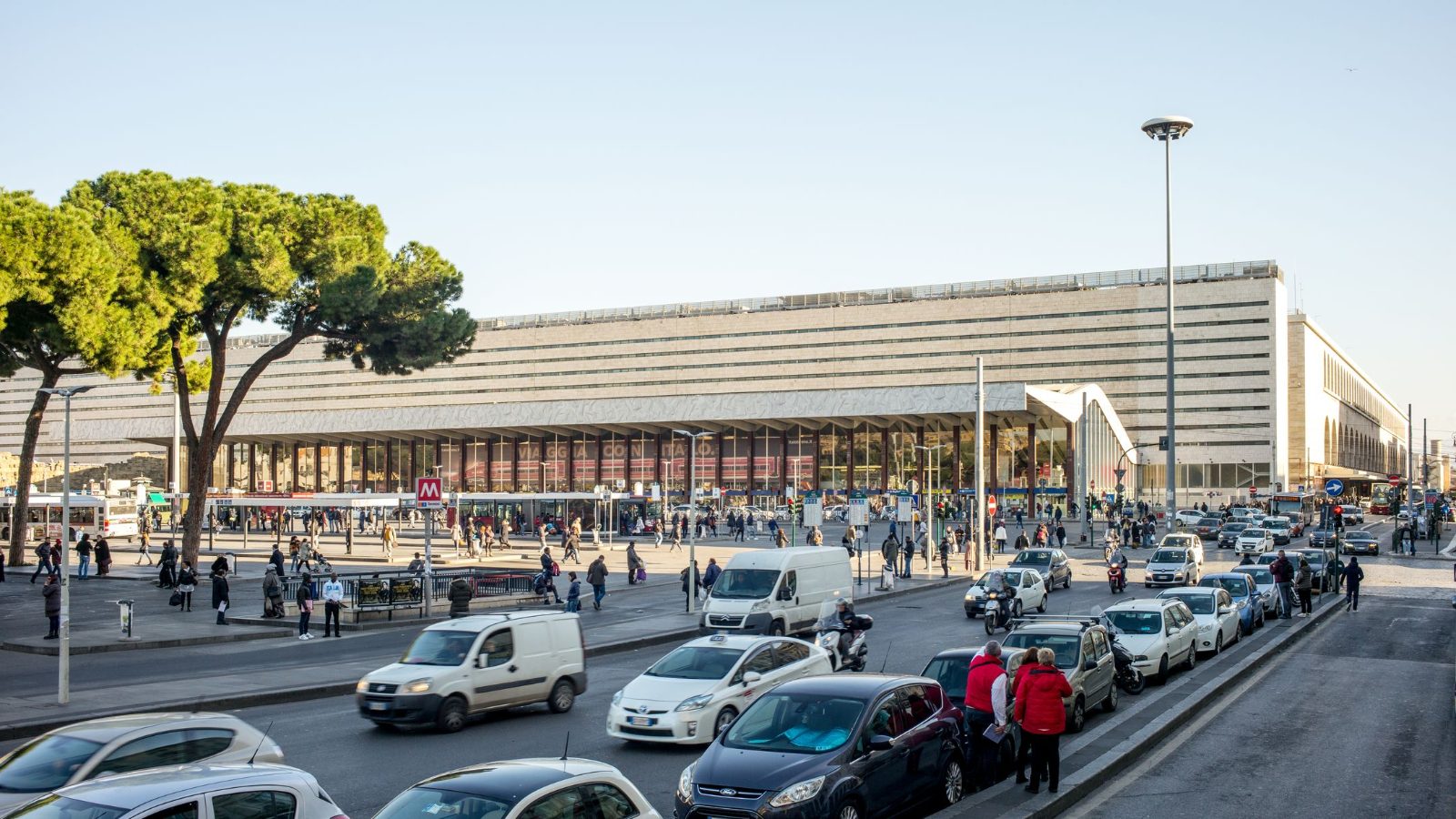
Depart Rome Termini for Salerno by high-speed train.
Board a seasonal ferry from Salerno to Amalfi town.
Explore the historic center and coastal paths.
Travel back to Rome via train from Salerno.
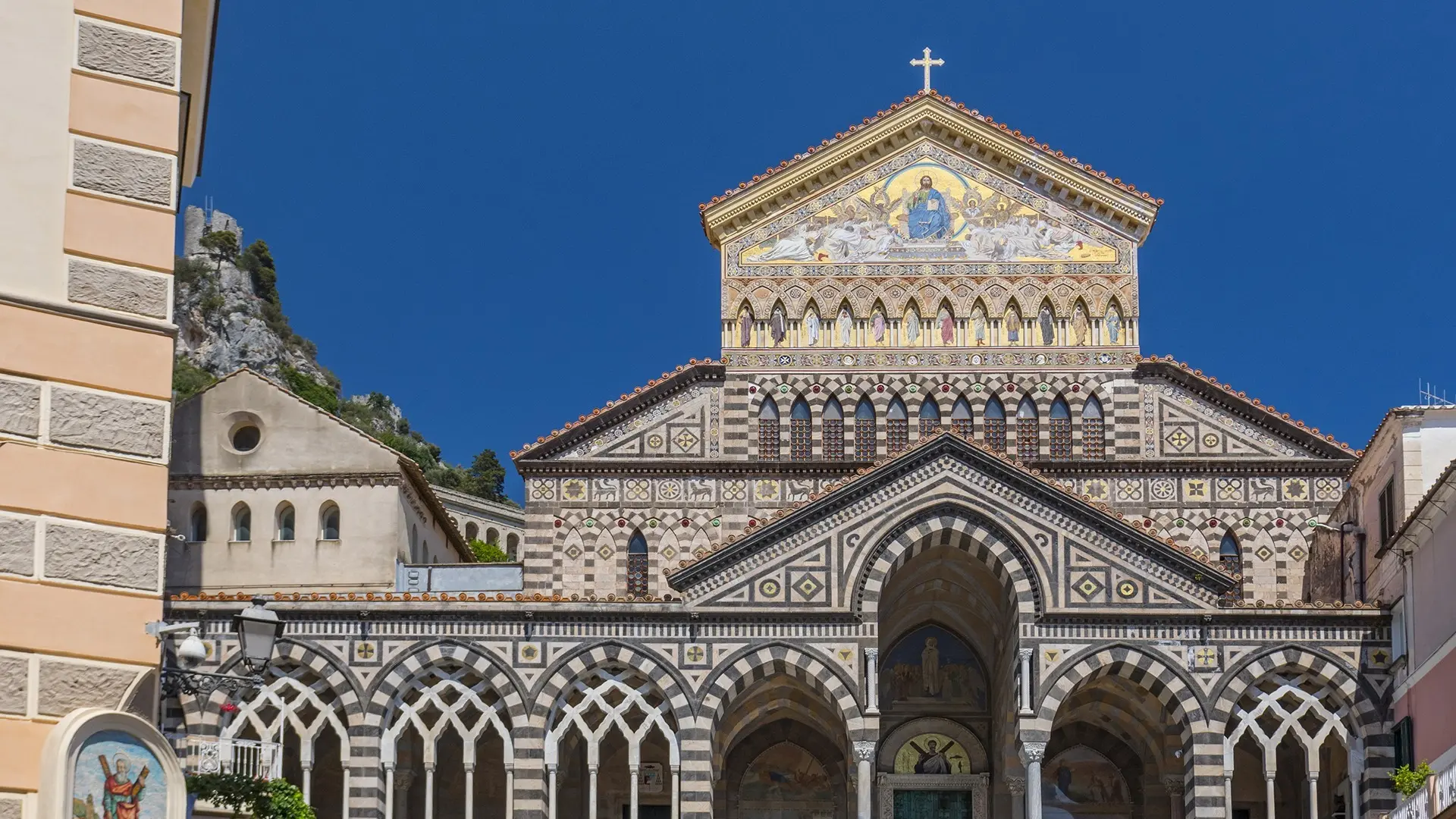
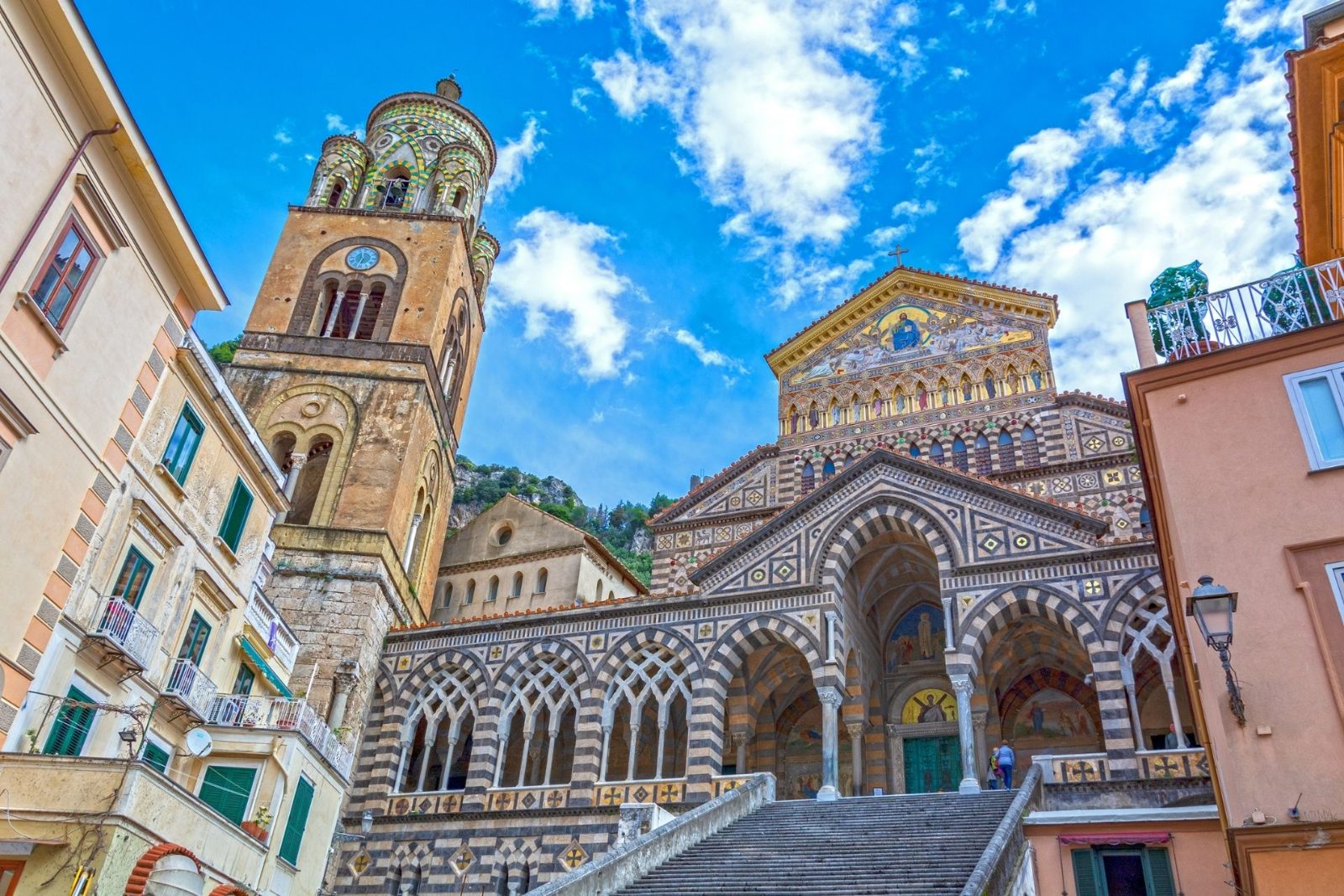
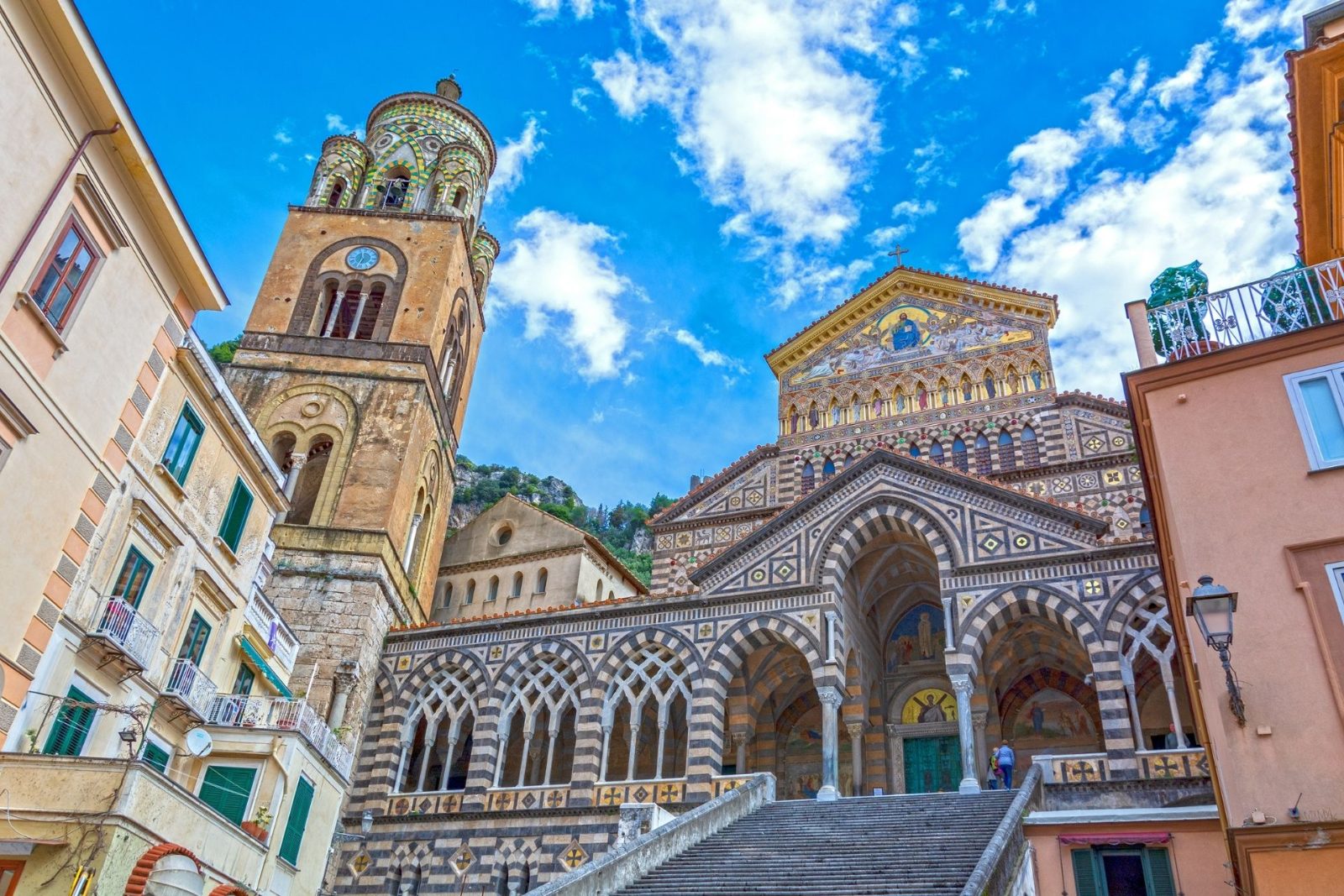
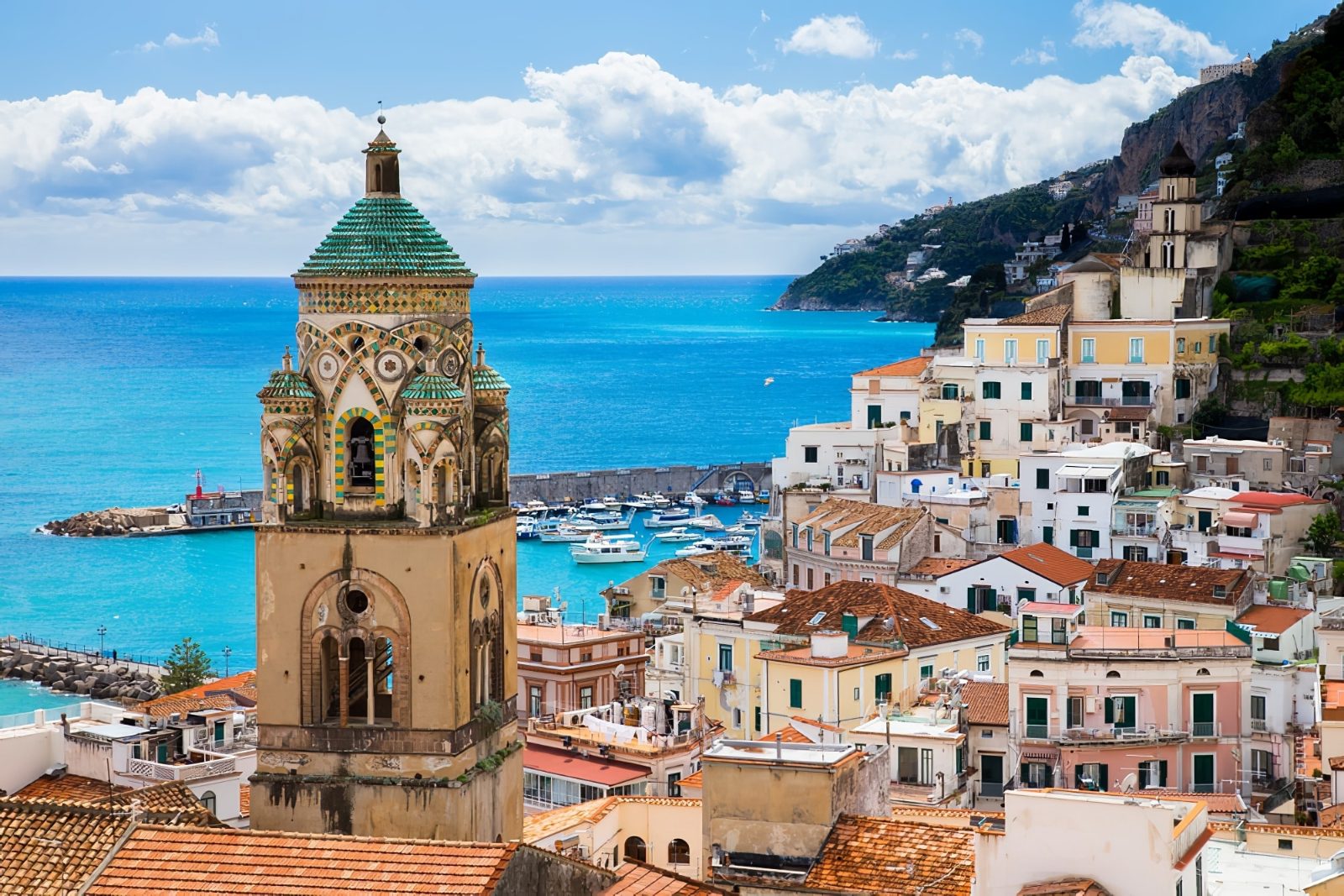
Features a stunning 9th-century facade and a grand staircase overlooking the main piazza. It remains the spiritual heart of the coast.
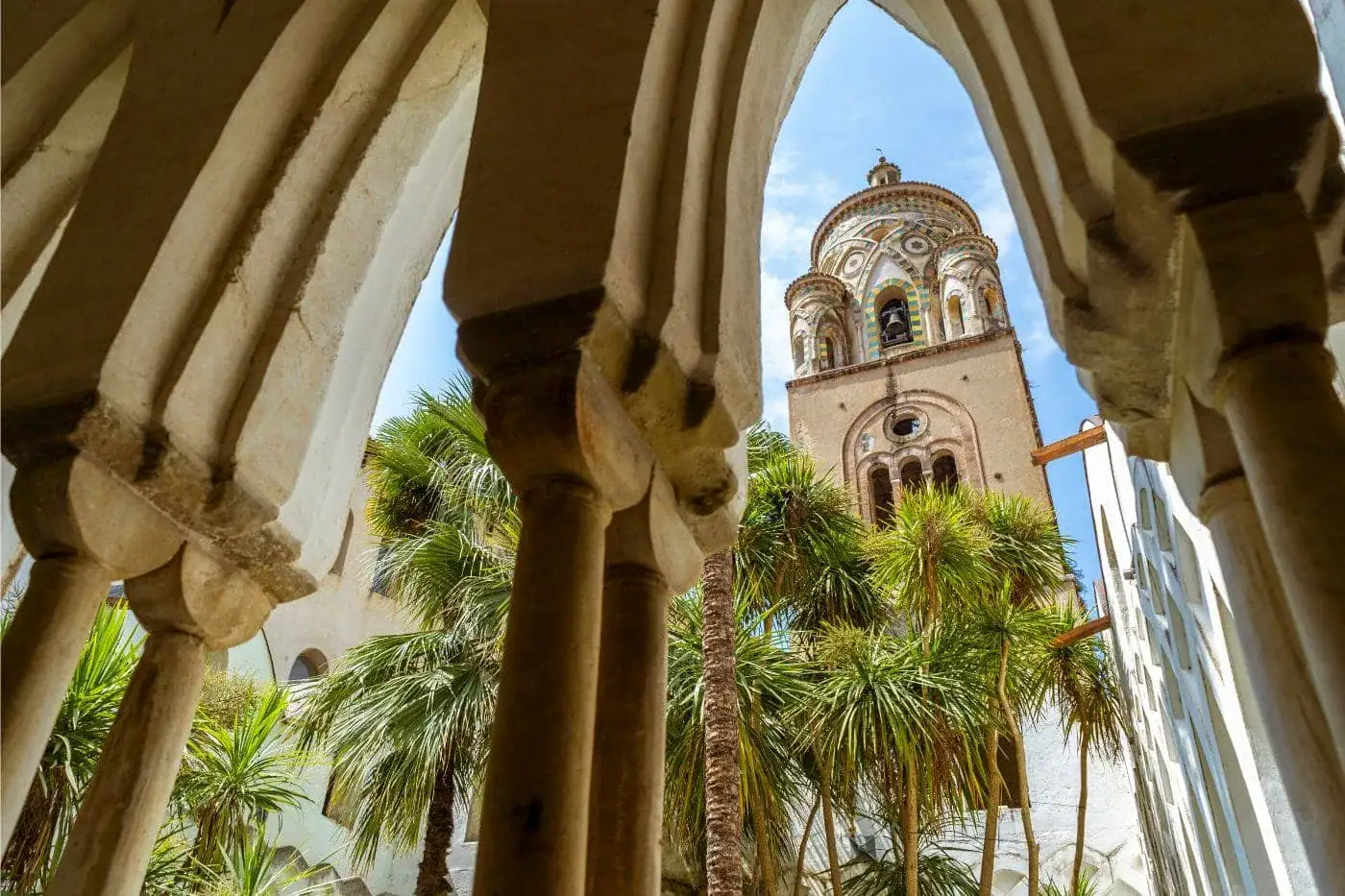
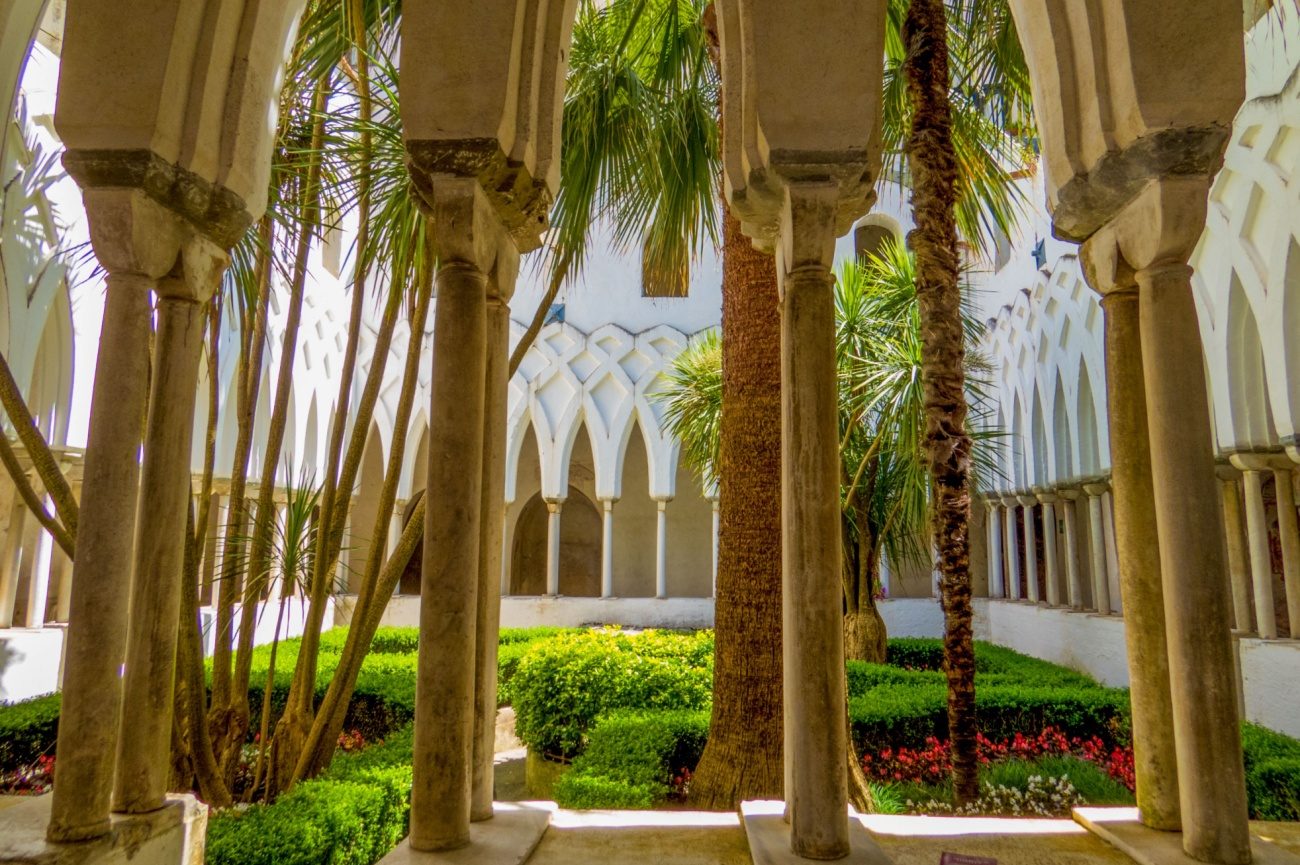
This 13th-century structure houses 120 marble columns and ancient tombs. It highlights the Moorish influence on local architecture.
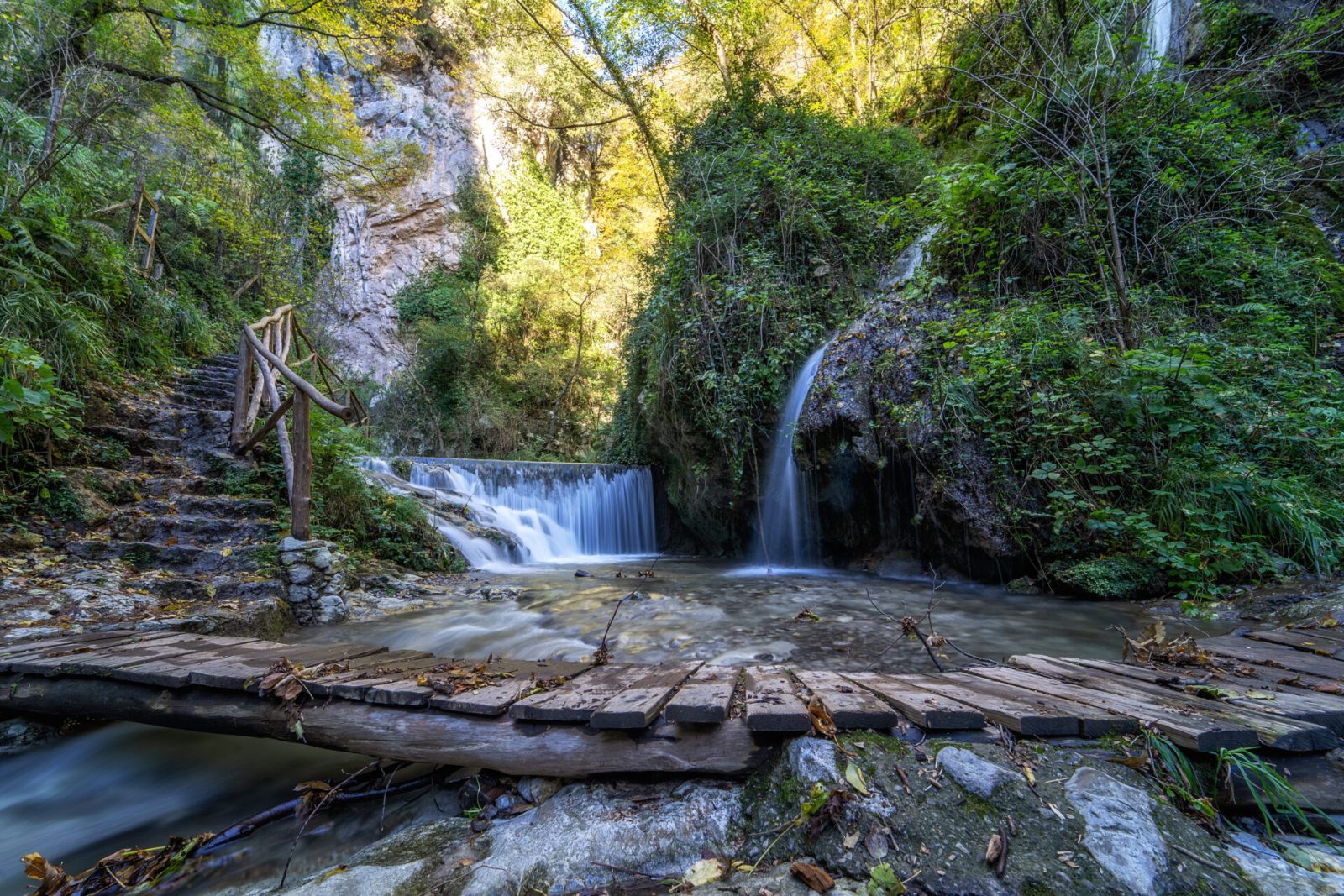
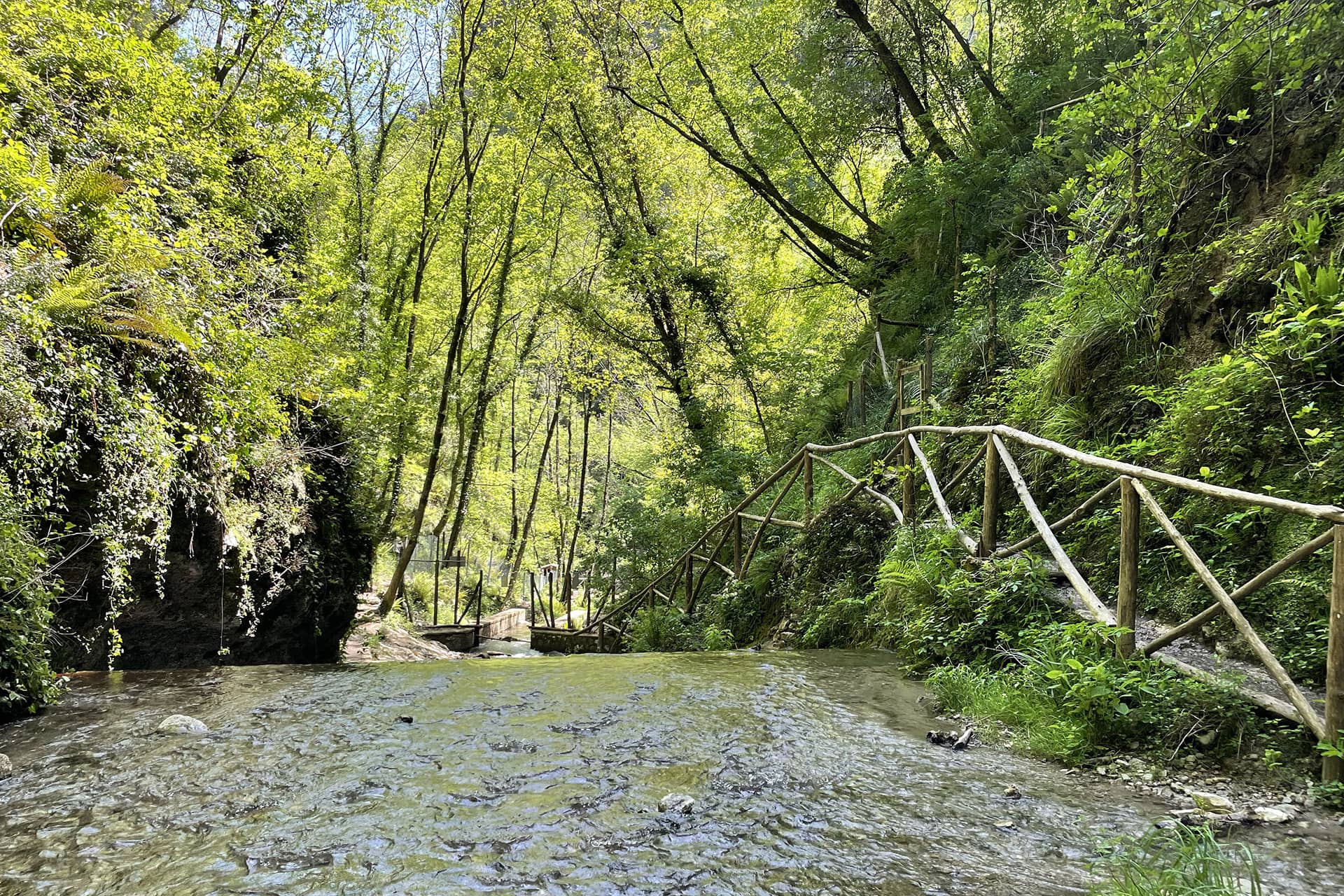
A nature reserve filled with rare ferns and remnants of medieval paper mills. It provides a cool retreat from the coastal heat.
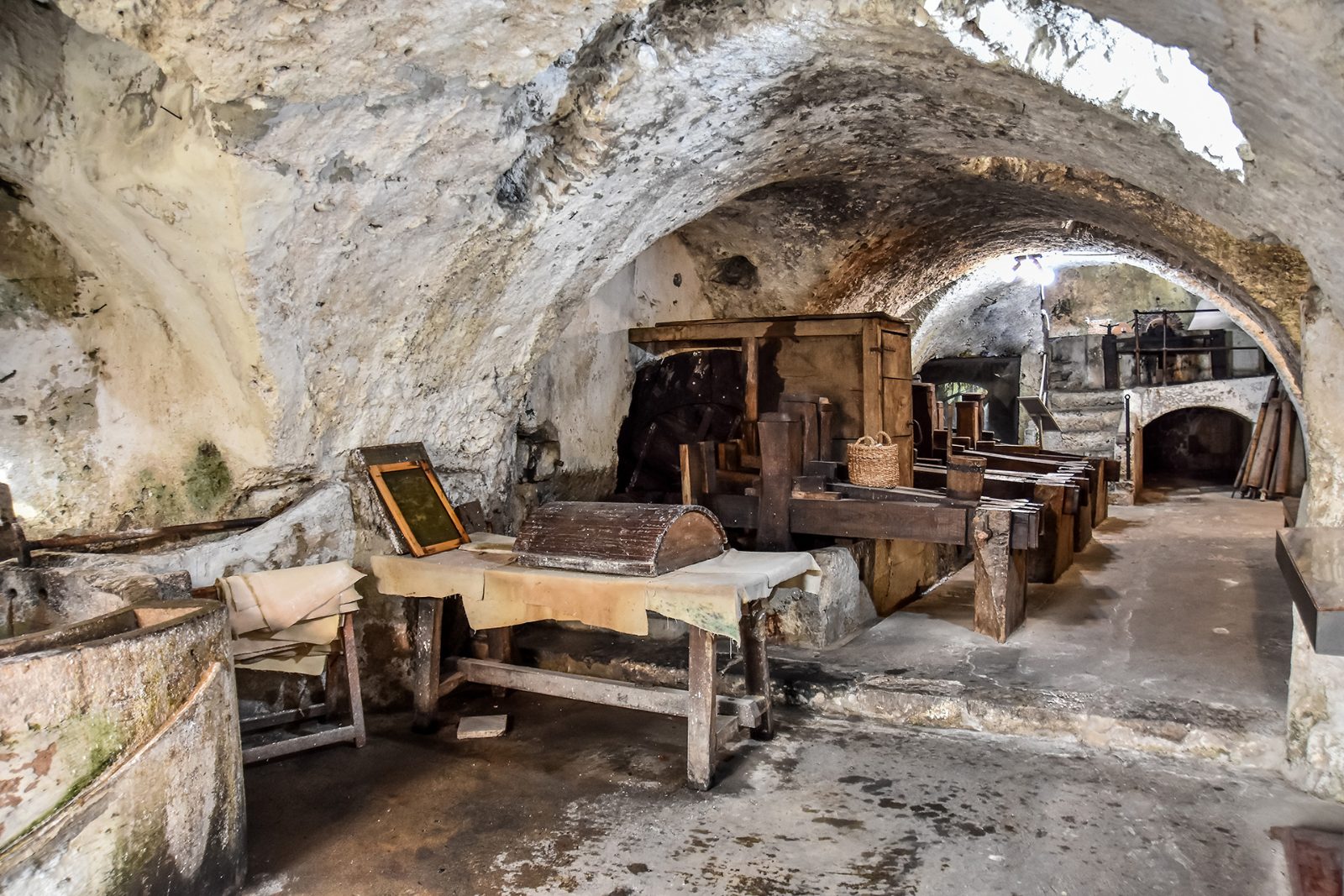
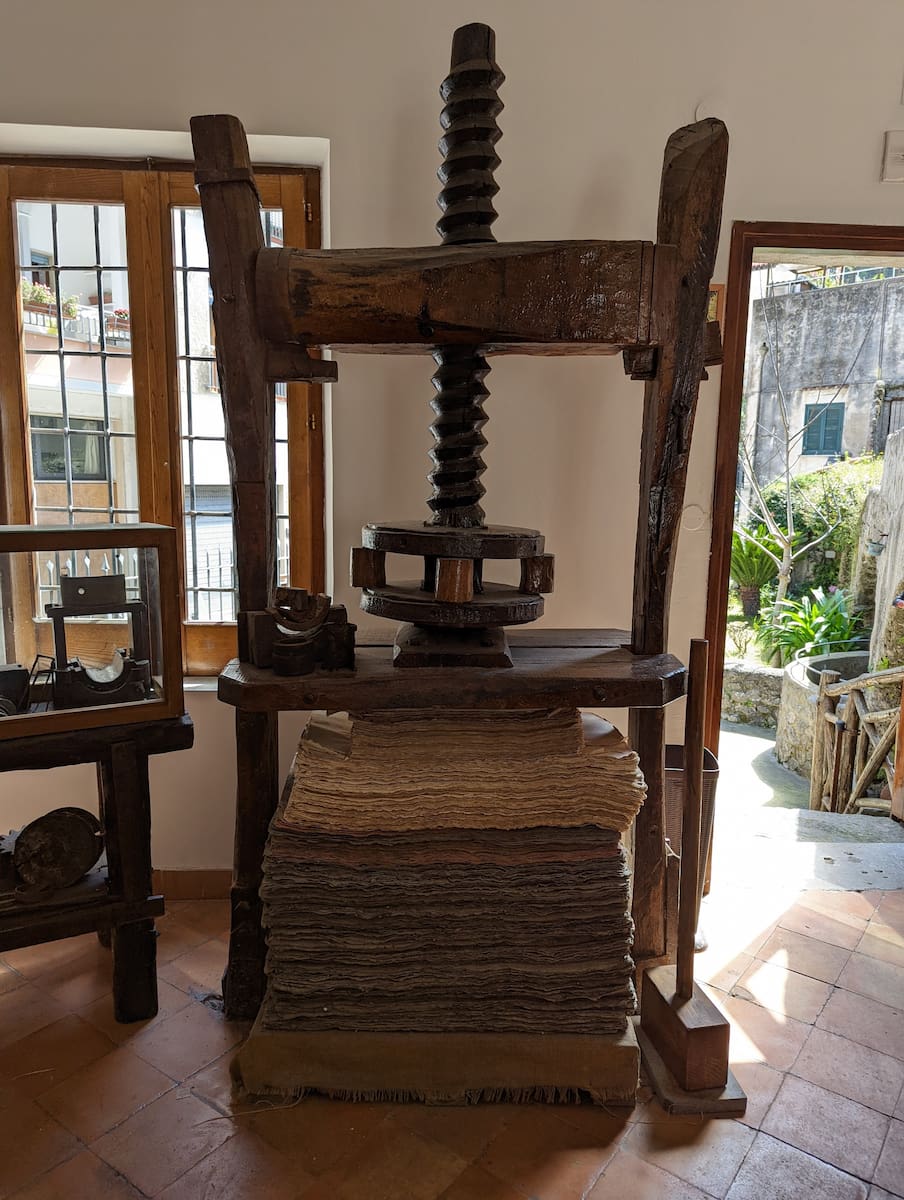
Housed in an ancient paper mill, it preserves the 13th-century manufacturing process. This museum demonstrates the region's industrial heritage.
The main gathering spot in Amalfi surrounded by cafes and shops. It serves as the primary meeting point for many visitors.
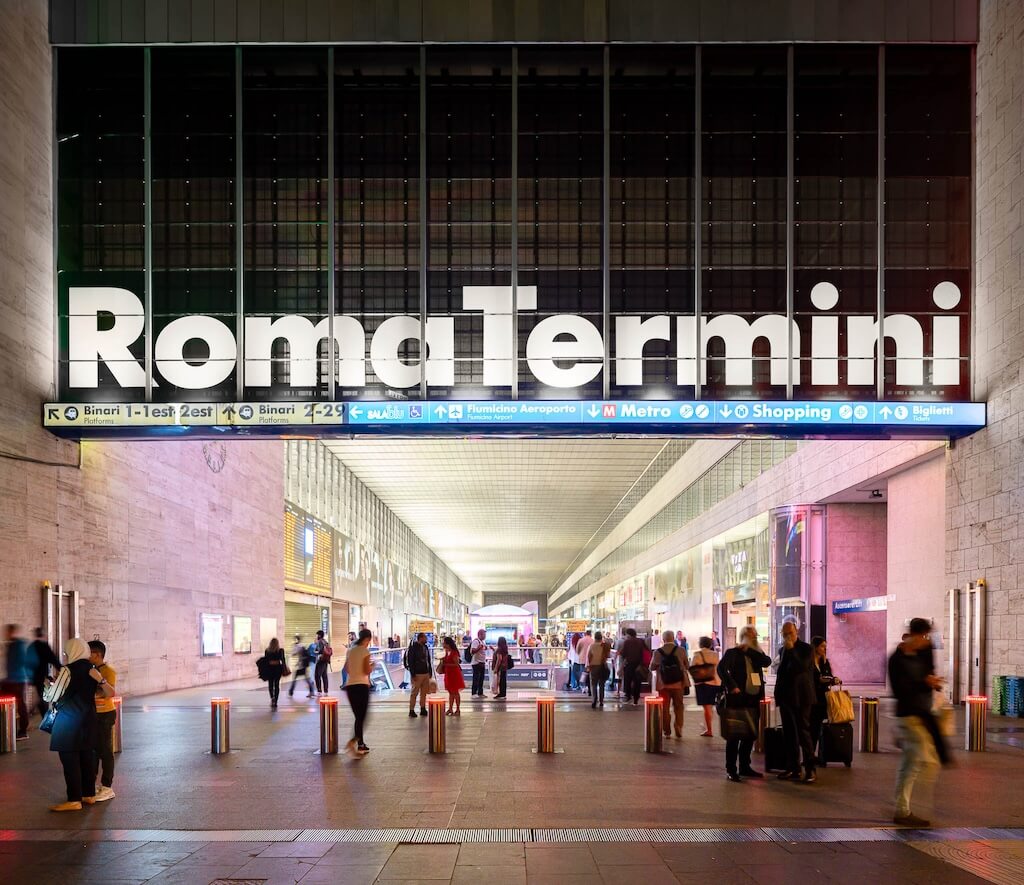
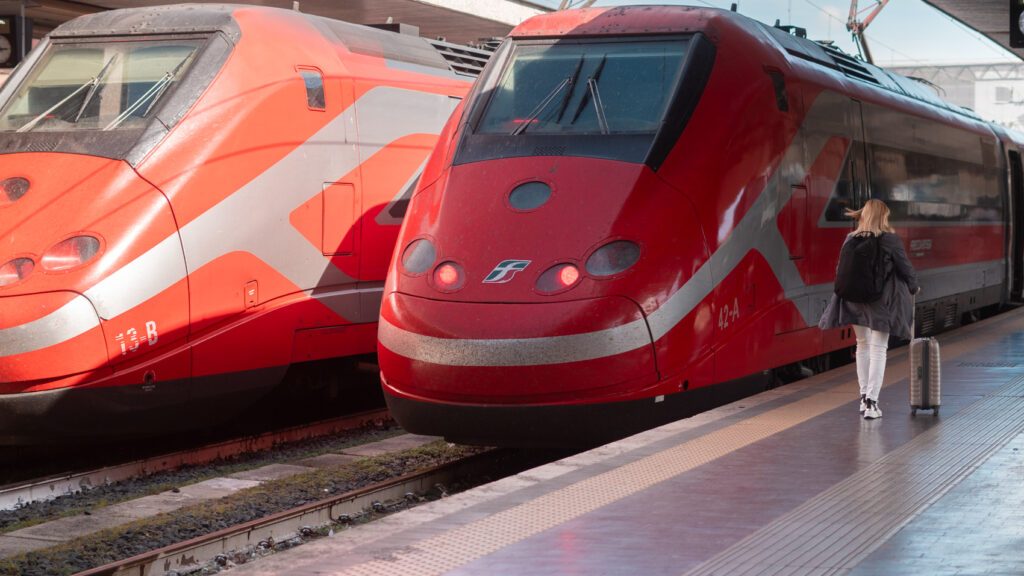
You board the Frecciarossa at Roma Termini forty minutes before departure, scan your mobile voucher at the platform gate, and settle into a forward-facing seat in carriage seven. The train accelerates smoothly past the city's southern suburbs, crossing the Alban Hills and entering the Campanian plain.
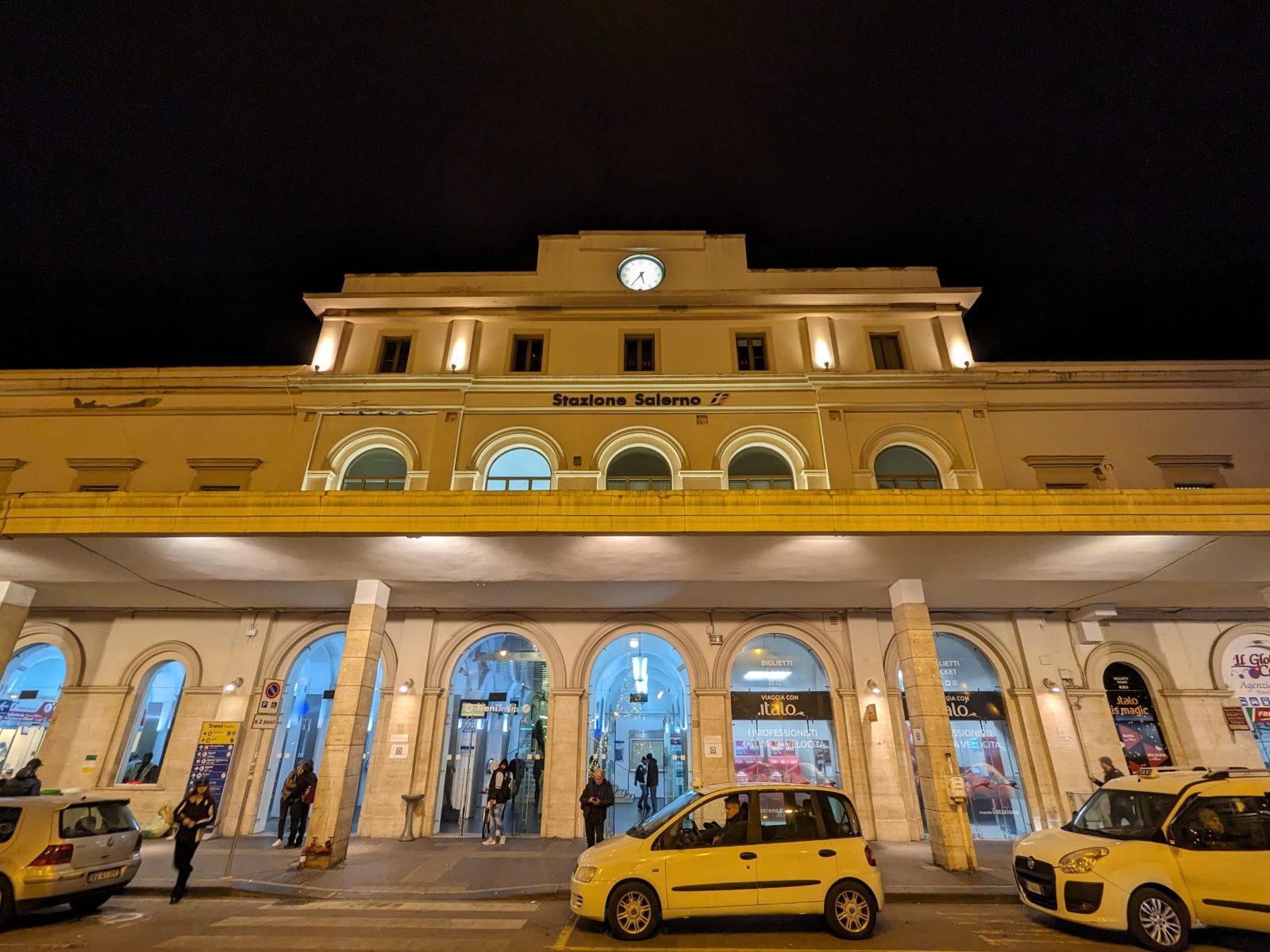
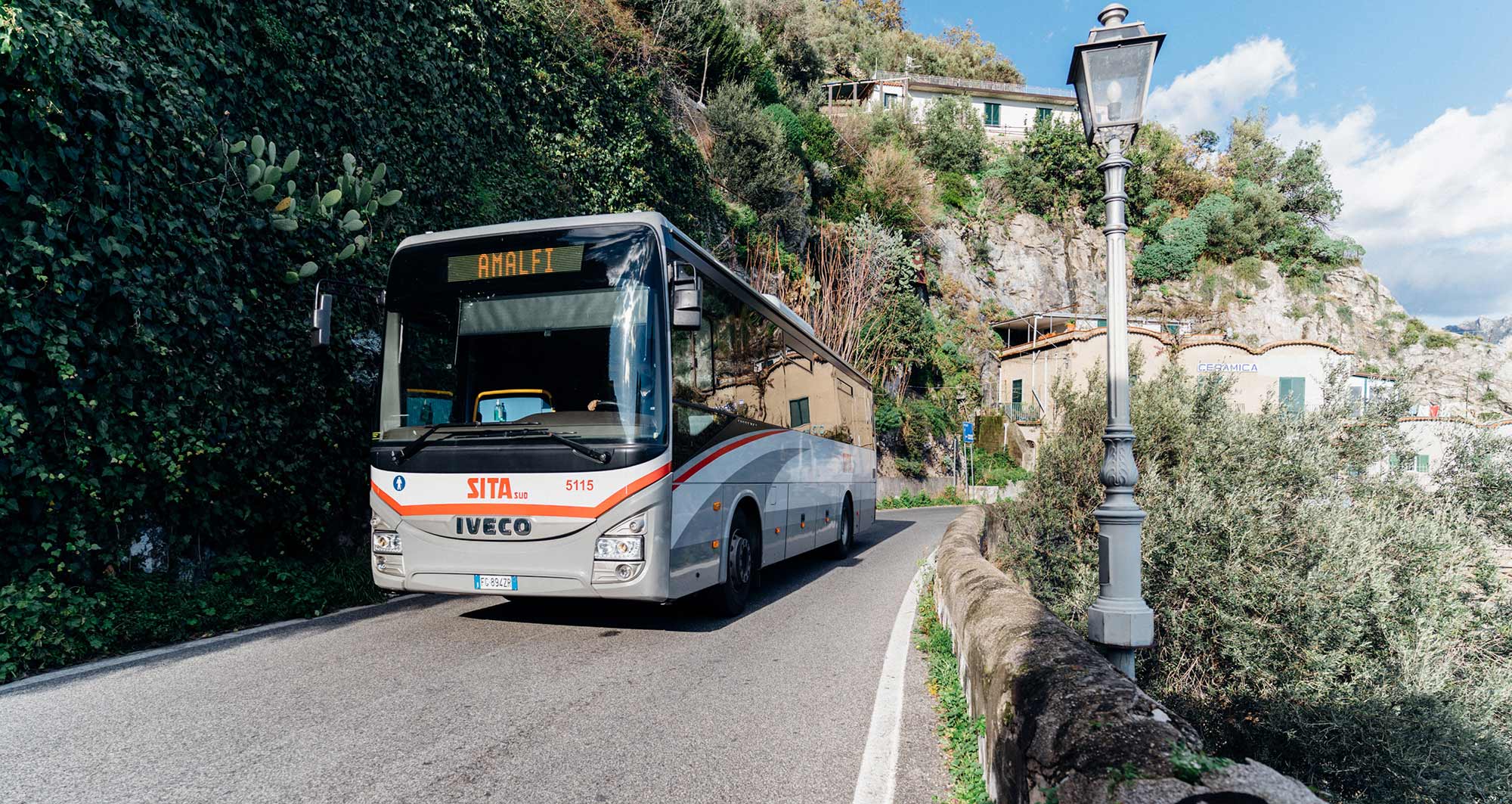
At Salerno Centrale you step onto the platform and follow blue SITA bus signs to the street-level terminal. A white-and-orange regional coach idles at bay three, destination board reading Amalfi via Vietri sul Mare.
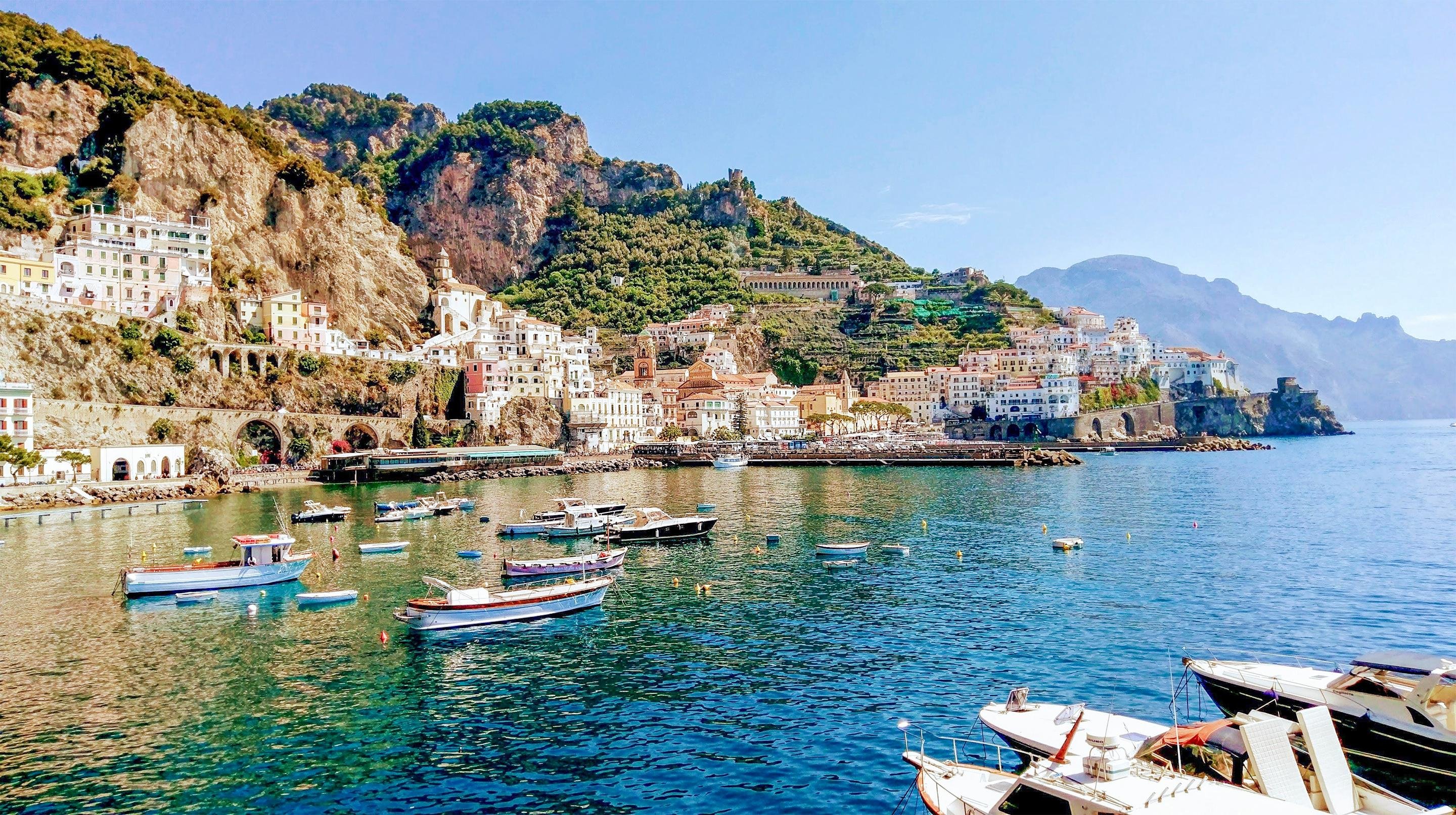
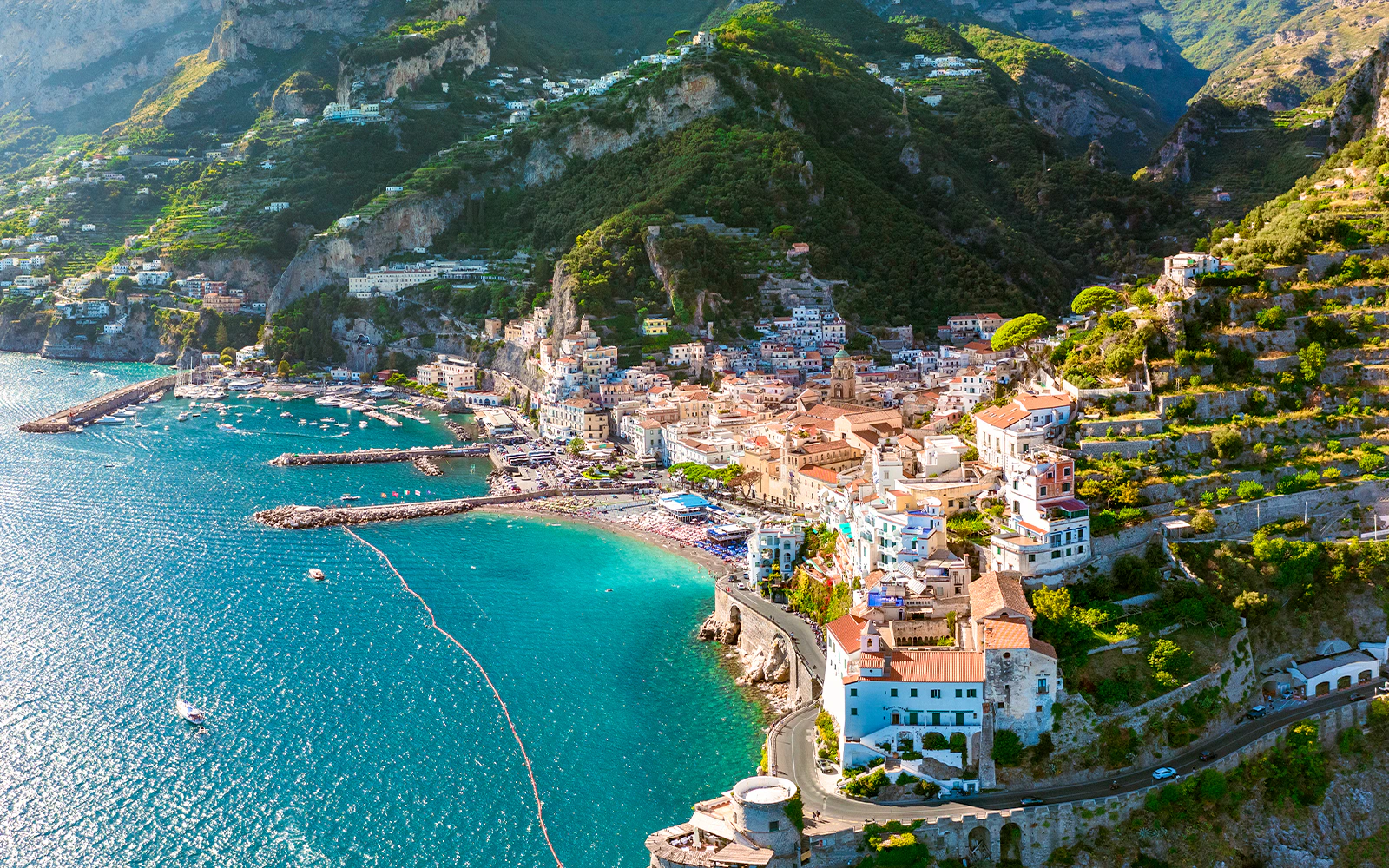
The bus climbs out of Salerno and enters the coastal road at Vietri, where ceramic-tiled facades give way to open sea. For the next hour you navigate twenty-six hairpin turns, the Tyrrhenian dropping away to your right, terraced lemon groves rising to your left. The driver decelerates for oncoming coaches, threading the gap with practiced precision. You pass Cetara's anchovy harbor, Maiori's long beach, and the stacked white cubes of Atrani before descending into Amalfi's main piazza. You disembark beside the Duomo's striped facade, check the return bus schedule posted at the stop, and walk toward the waterfront, where ferries depart for Positano every ninety minutes.
All the details about your upcoming adventure in one place
No direct train reaches the Amalfi Coast — the cliffside topography that defines its beauty also ruled out rail corridors when Italy's network was laid in the late nineteenth century.
Instead, a Rome to Amalfi Coast tour by train unfolds in two segments: high-speed Frecciarossa or Frecciargento service from Roma Termini to Salerno Centrale, followed by a coastal bus or seasonal ferry to Amalfi, Positano, or Ravello. The rail leg covers 265 kilometres in two hours and twenty minutes, cutting south through Lazio and Campania at speeds approaching 300 kilometres per hour. Trenitalia operates more than twenty daily departures between 06:35 and 21:30, with economy fares starting around €19.90 and executive-class seating at €44.90.
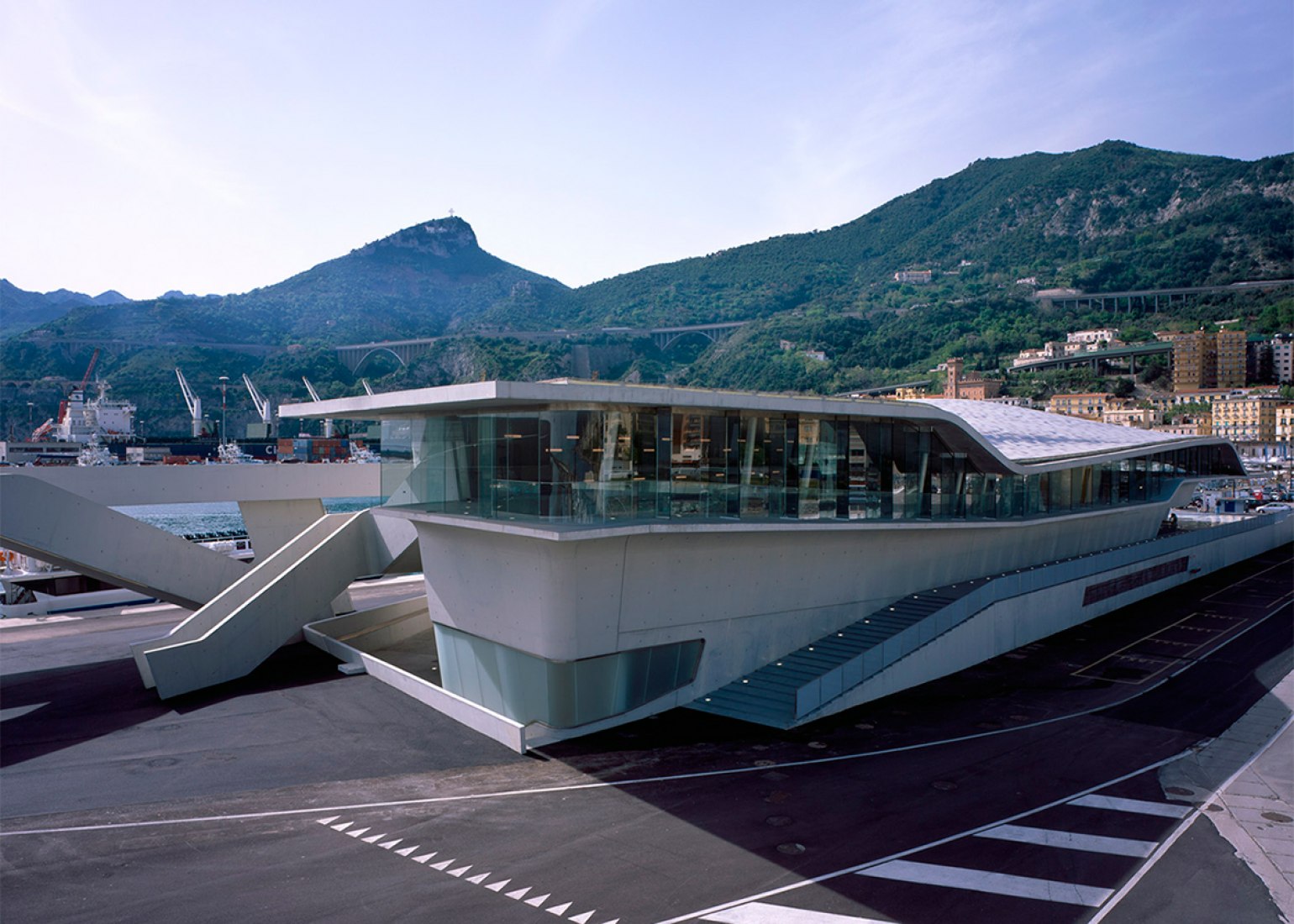
Salerno, the medieval port city where the rail line meets the Tyrrhenian Sea, serves as the functional gateway. From the station's southern exit, SITA Sud regional buses depart every forty minutes for Amalfi town, tracing the serpentine Strada Statale 163 — a ribbon of asphalt carved into limestone in the 1840s. The bus journey takes ninety minutes and costs €4 each way. Between April and October, Travelmar and Alilauro run hydrofoil and ferry services from Salerno's Molo Manfredi directly to Amalfi and Positano, shaving the overland segment to thirty-five minutes and offering unobstructed views of the coast's vertical geography. Ferry tickets range from €8 to €14 depending on the route and vessel class.
The rail-plus-bus combination appeals to independent travellers who prize flexibility over packaged itineraries. Trenitalia's online portal and Trainline aggregate schedules and allow advance booking up to four months out; tickets are date- and train-specific, with refund and exchange policies varying by fare class. SITA buses accept contactless payment and paper tickets purchased at tabacchi kiosks near the Salerno station forecourt. Because the coastal road narrows to single-lane in places and summer coach traffic is dense, midweek departures from Rome before 08:00 yield the longest window in Amalfi or Positano — typically five to six hours before the return rail connection. The logistical seam between rail and road is where the coastline's allure and its infrastructural limits intersect.
No direct train reaches the Amalfi Coast — the cliffside topography that defines its beauty also ruled out rail corridors when Italy's network was laid.
Casual and comfortable clothing is recommended for navigating the vertical streets of the Amalfi Coast. Respectful attire is required if visiting the Amalfi Cathedral or other religious sites.
Travel light as large suitcases are difficult to maneuver on buses and ferries. Secure personal belongings in crowded transit hubs during your rome to amalfi coast tour by train.
Photography is permitted throughout public areas of the coastline. Avoid using drones near private property or protected landmarks.
The area is suitable for families, though strollers are impractical on steep pathways. Baby carriers are highly recommended for your rome to amalfi coast tour by train journey.
Many areas feature steep staircases and uneven cobblestones, making navigation challenging for those with mobility issues. Research specific route accessibility before your rome to amalfi coast tour by train.
Local vendors offer numerous dining options, though consuming food inside religious structures is prohibited. Stay hydrated during your rome to amalfi coast tour by train by carrying a reusable water bottle.
Best arrival window
08:00–10:00
Address
Amalfi Coast, Province of Salerno, Italy
Site accessibility
Limited due to steep terrain
Entrance fee
0 EUR
Storage
Not available at transit points
Navigation
Regional bus and ferry routes
Public transport · 04:30 · Variable by service provider
High-speed trains run from Rome Termini to Salerno, followed by a ferry.
Car · 03:30 · Cost of fuel and tolls
Driving from Rome involves the A1/E45 highway toward Salerno.
Cancellations must be requested according to the specific operator guidelines provided at booking. Refunds are subject to the terms of your selected rome to amalfi coast tour by train ticket.
Recommended time
Full day
Executing a rome to amalfi coast tour by train requires careful coordination between high-speed rail and local bus or ferry connections. Following the best arrival window of 08:00–10:00 is essential to navigate coastal pathways before midday congestion peaks. When booking rome to amalfi coast tour by train tickets, allow extra buffer time for transfers at Salerno or Naples, as transit variability often impacts the schedule of a rome to amalfi coast tour by train tour. Managing your itinerary effectively ensures you experience the Mediterranean atmosphere before the afternoon surge of day-trippers arrives.
Crowd levels through the day
Weather · crowds · average price — dots go green to amber to red as each metric rises.
Mild temperatures and blooming flowers make this a prime time for walking. Expect moderate crowds compared to summer peak.
High temperatures and heavy visitor volume require early planning. Water activities are optimal during this season.
Cooler air and fewer crowds define this pleasant period. September and October offer stable weather for a rome to amalfi coast tour by train.
Most coastal services operate on limited schedules. Ideal for travelers seeking quiet and off-peak rates.
Reserve your train and ferry seats in advance to guarantee availability for your rome to amalfi coast tour by train.
The Amalfi Coast's transformation from isolated fishing villages to a destination accessible by rome to amalfi coast tour by train began with the completion of the Naples-Salerno railway in 1866. Before rail infrastructure reached Campania, travelers endured multi-day carriage journeys over precarious mountain roads. The coastal road itself—the Strada Statale 163 Amalfitana—was not finished until 1853, carving through cliffs that had kept settlements like Positano and Amalfi isolated for centuries. When the railway extended south from Naples, Salerno became the natural gateway, though visitors still faced a three-hour coach descent to the coast. The medieval Republic of Amalfi, which dominated Mediterranean trade from the ninth to twelfth centuries, left architectural monuments that would later anchor tourism: the Duomo di Amalfi consecrated in 987, and the Tavole Amalfitane maritime code that governed commerce until 1570. Viking raids in 1073 and Norman conquest a generation later ended Amalfi's political independence. The coastline languished for centuries as a lemon-growing backwater until northern European writers—Henrik Ibsen, Richard Wagner—discovered it in the 1880s. Their diaries described ferry crossings from Salerno and clifftop walks, igniting the first wave of cultural tourism. By the 1920s, rail connections made rome to amalfi coast tour by train itineraries feasible for middle-class travelers, not just aristocrats. The Circumvesuviana line, opened in 1891, offered a secondary route via Sorrento, though most visitors continued to favor the Salerno approach. Post-war road improvements brought mass tourism in the 1960s, overwhelming villages built for populations under a thousand. Today's rail travelers retrace the 1866 route to Salerno, then transfer to SITA buses or seasonal ferries, following the same geographic bottleneck that shaped a millennium of Amalfi Coast history.
The Republic of Amalfi controls Mediterranean trade routes, establishing the maritime code that governs commerce for 500 years
Viking raiders sack Amalfi, accelerating the city-state's decline before Norman conquest
The Strada Statale 163 coastal road opens, linking previously isolated cliff villages for the first time
The Naples-Salerno railway reaches completion, making Salerno the primary rail gateway to the Amalfi Coast
Northern European writers and composers popularize the coastline as a cultural destination through published travel accounts
Improved road infrastructure and seasonal ferry services transform the coast into a mass-tourism hub accessible via Salerno transfers
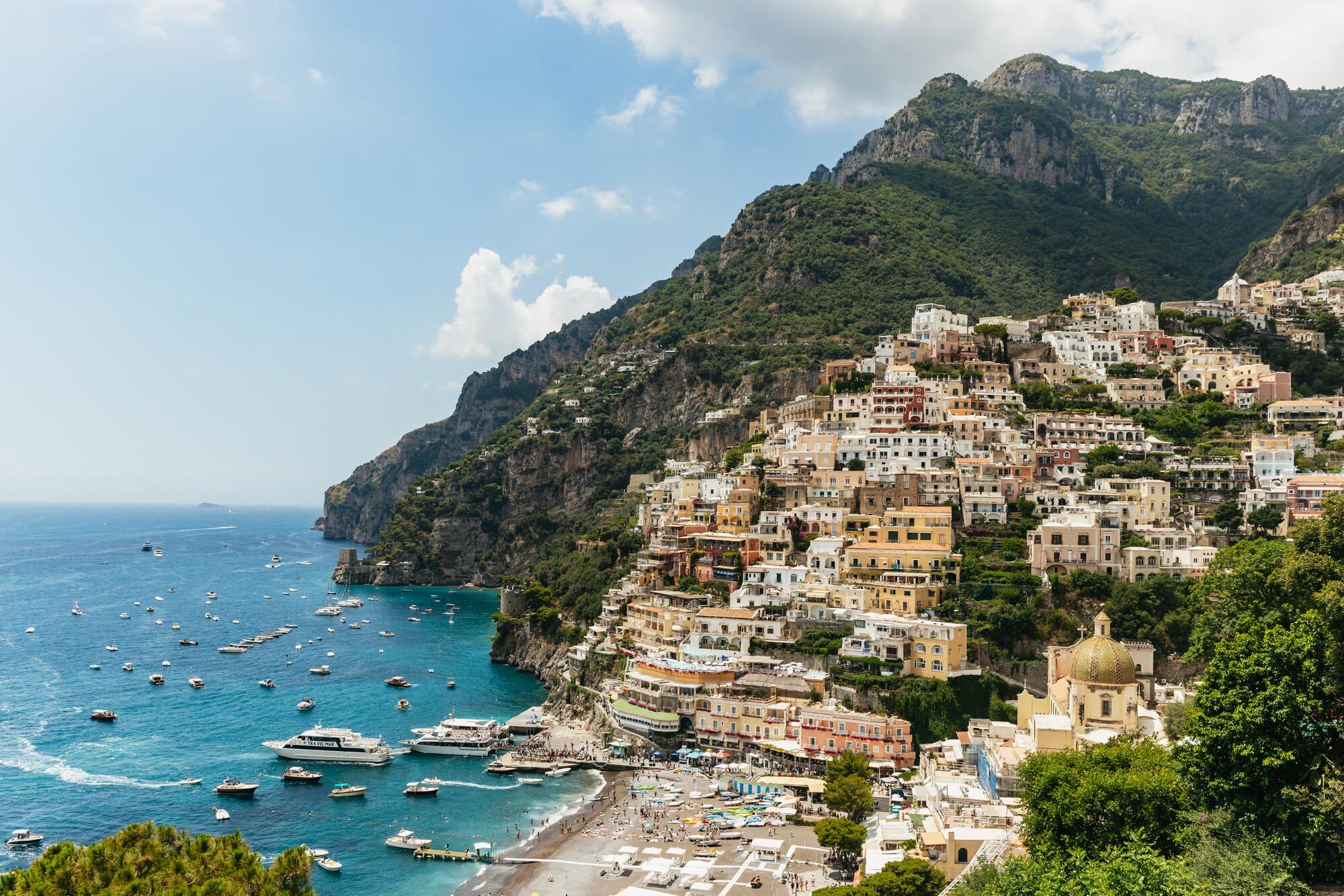
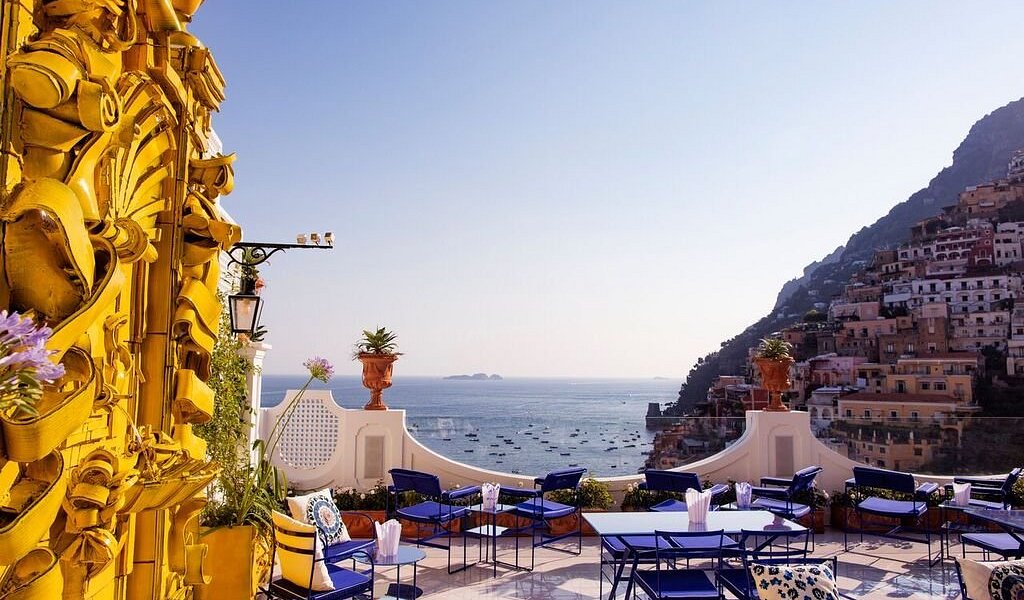
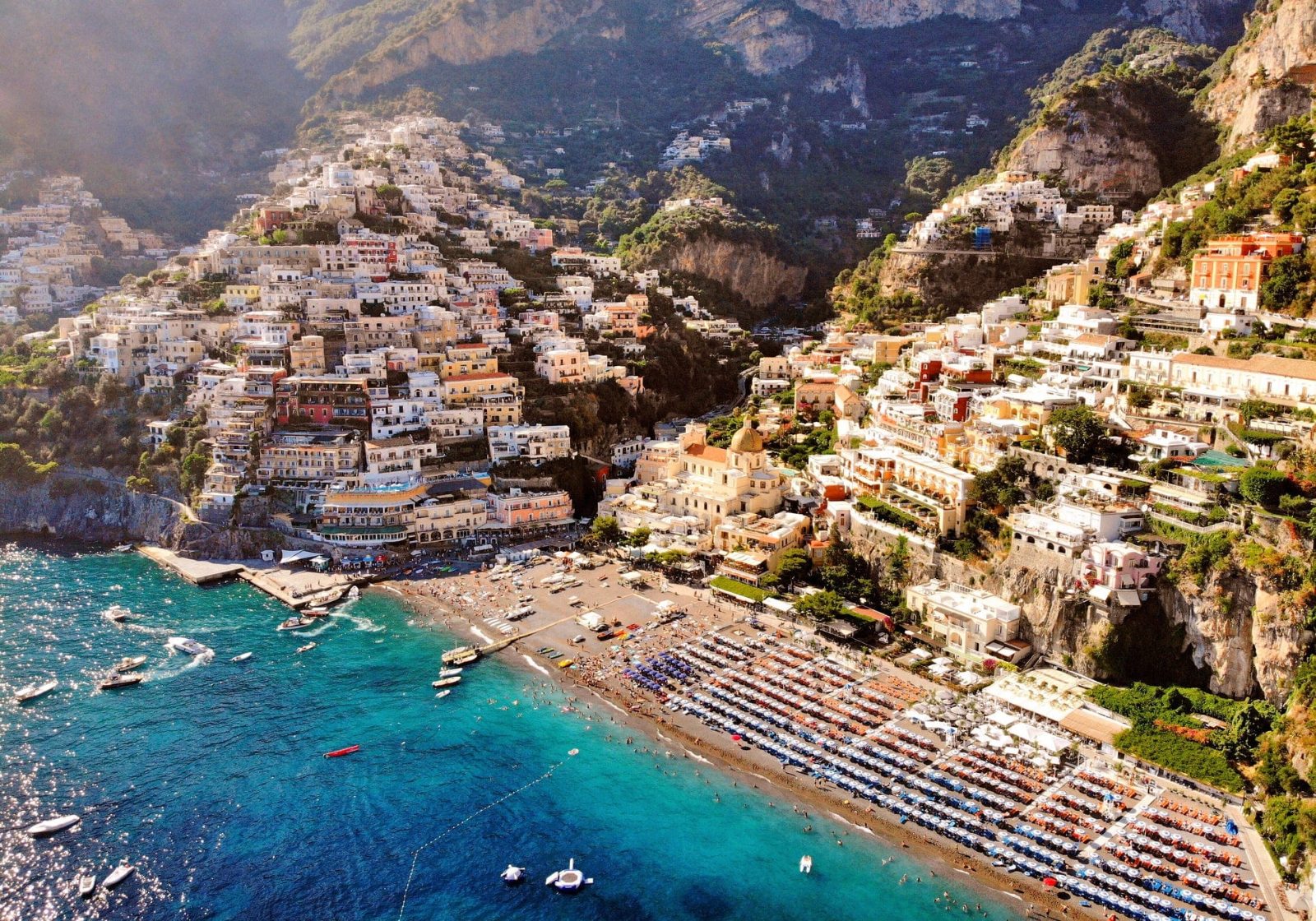
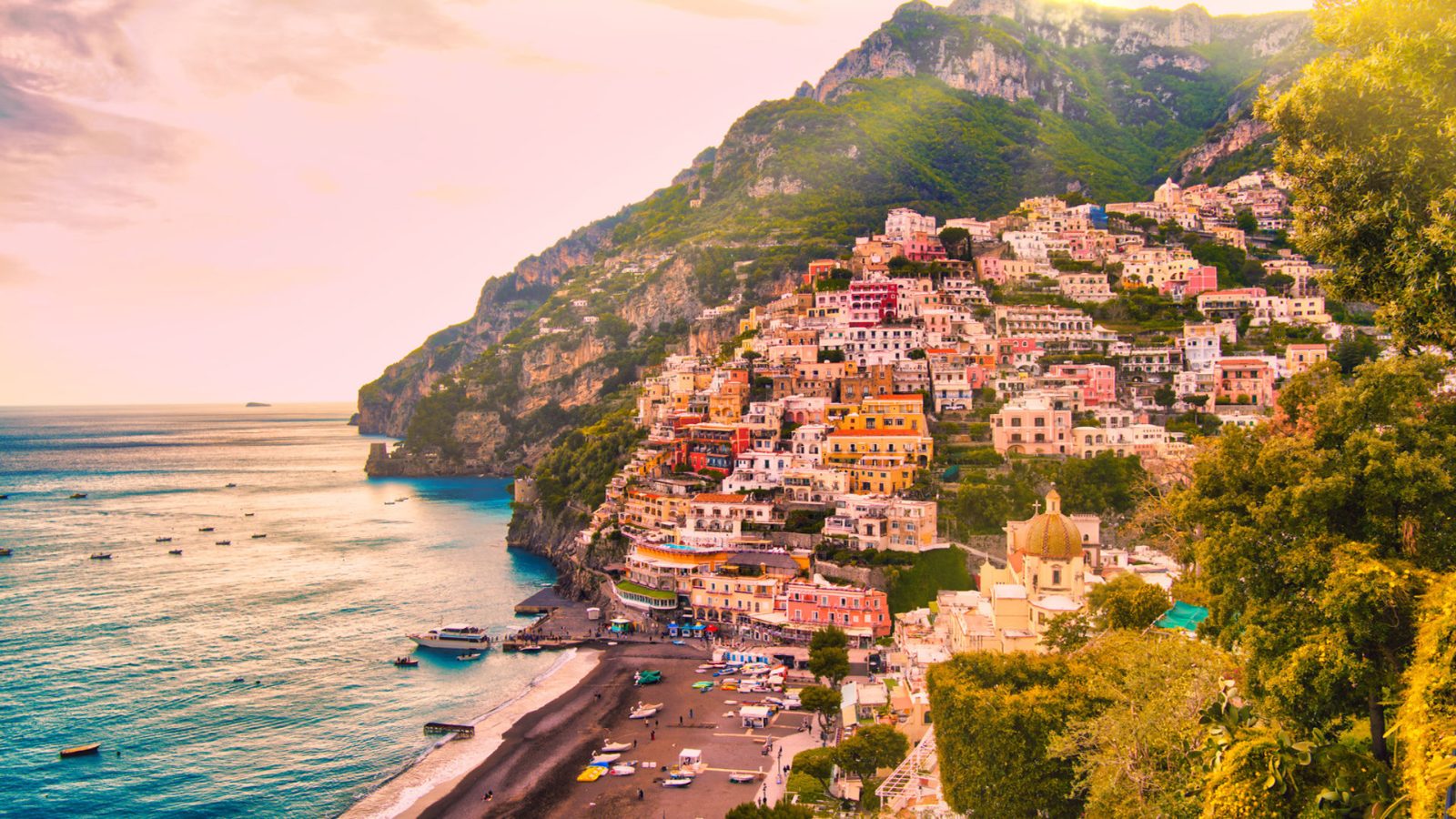
Capture the iconic vertical architecture of Positano from this popular vantage point. Stand near the railing for a clear composition of the colorful houses cascading toward the Tyrrhenian Sea.
This main beach provides the classic low-angle perspective looking up at the town's dense urban texture. It is a central stop during any rome to amalfi coast tour by train, offering easy access to the water's edge.
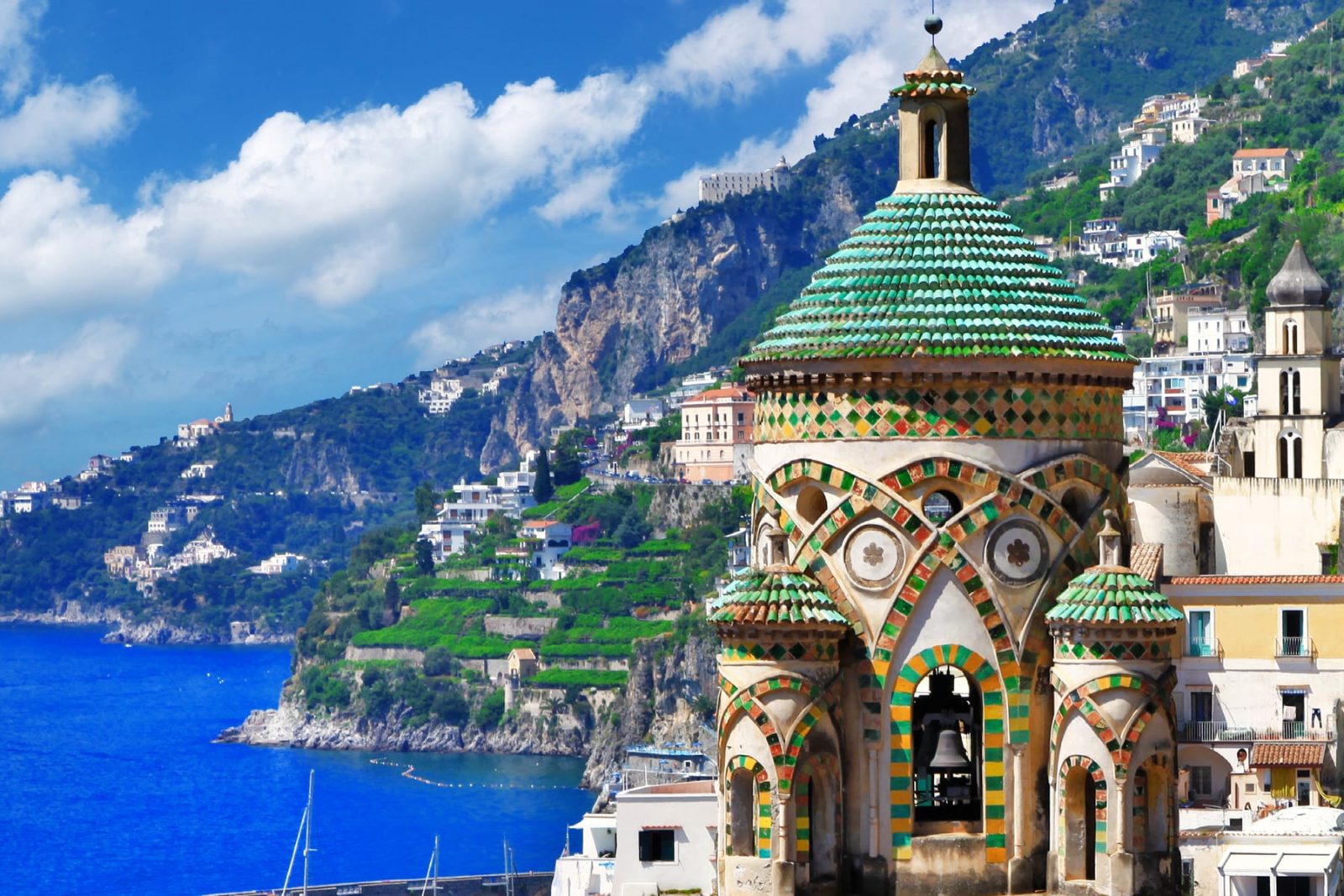
Position yourself at the bottom of the main staircase to frame the dramatic cathedral facade against the narrow street life below. The ornate stone details and intricate mosaics serve as a primary subject for those on a rome to amalfi coast tour by train tours excursion.
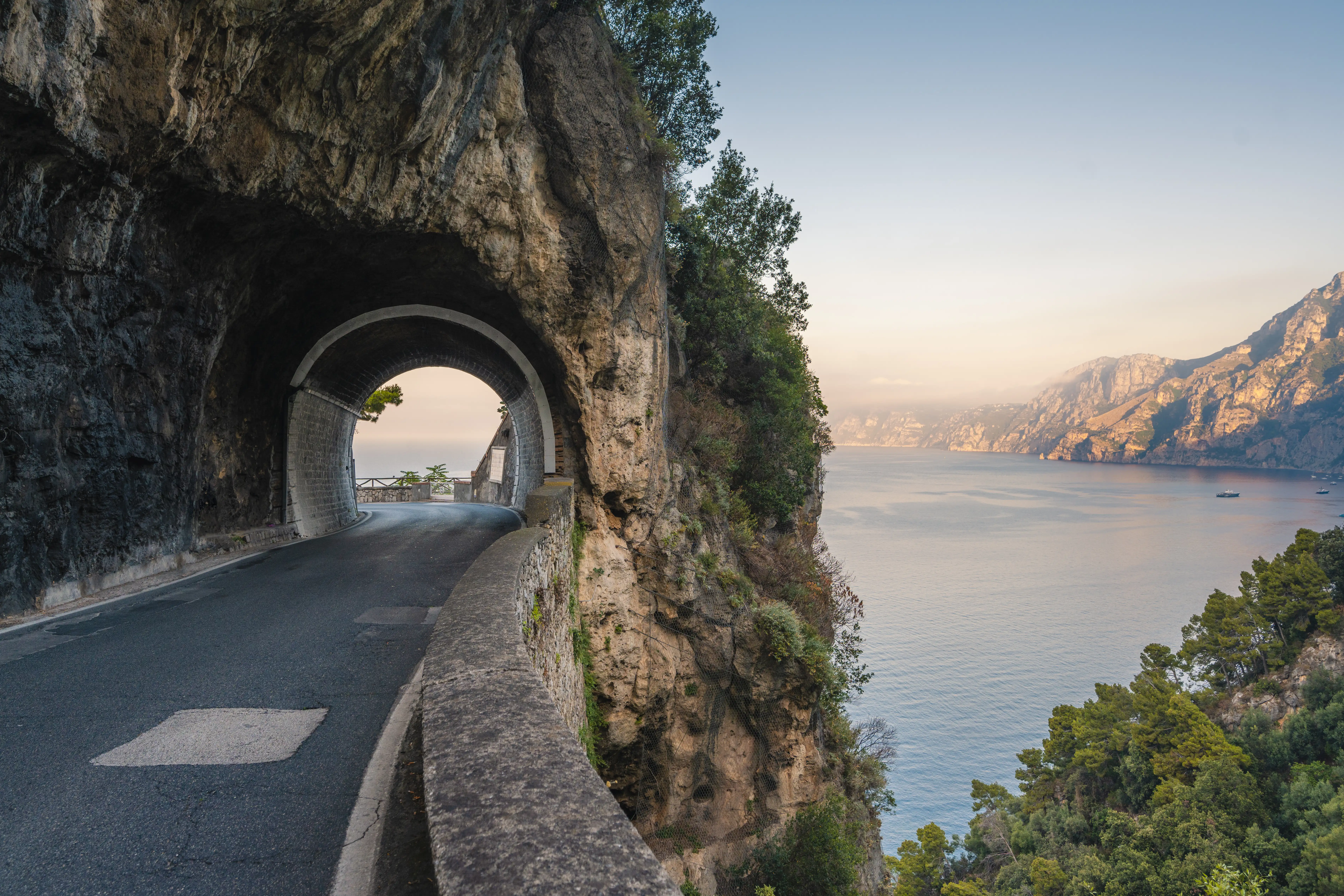
Walk along this coastal road for sweeping panoramas of the Mediterranean horizon and distant cliffs. It serves as an ideal spot for wide-angle landscape shots while participating in a rome to amalfi coast tour by train tour, often requiring advance rome to amalfi coast tour by train tickets.
Planning a rome to amalfi coast tour by train requires careful coordination to manage long travel times with children. Navigating the winding Mediterranean coastline is a memorable experience if you prioritize comfort and flexibility for younger travelers.
Avoid large strollers as the coastal paths and ferry docks involve many stairs and uneven cobblestones. A compact, lightweight carrier is much more practical for navigating the seaside villages
This trip is best suited for children aged six and older who can handle the extended transit time. Younger toddlers may find the combination of high-speed rail and local bus or ferry connections physically tiring
Public restrooms are available in main hubs like Sorrento and Salerno, though family changing tables are not standard in all locations. Plan to carry your own supplies to ensure you have everything needed during your coastal excursion
To ensure a manageable day, follow the best arrival window of 08:00–10:00 to reduce stress. Booking a rome to amalfi coast tour by train tour helps simplify transfers compared to managing public connections on your own
Pack snacks and water before departing, as buying rome to amalfi coast tour by train tickets often leaves little time for grocery shopping. Local cafes offer simple pasta and gelato that usually appeal to younger palates during your day trip.
Finding quality meals while navigating a rome to amalfi coast tour by train is straightforward if you focus on local trattorias near the main ferry docks. Selecting a rome to amalfi coast tour by train tour that includes flexible timing allows you to avoid the busiest lunch hours in town centers.
Located near the Amalfi Cathedral, this historic spot is ideal for a quick sfogliatella or coffee. It is a popular choice for visitors utilizing rome to amalfi coast tour by train tickets to grab a refined snack before boarding the next ferry.
Everything you need to know for your journey
The best arrival window is 08:00–10:00 to avoid midday crowds and ensure smooth transfers.
Yes, the Amalfi Coast is accessible daily with operating hours of 00:00–23:59.
Entrance to the coastline is 0 EUR, though transport fees apply for your rome to amalfi coast tour by train.
Large luggage is difficult to handle; keep it minimal for your rome to amalfi coast tour by train.
Wear comfortable walking shoes; dress modestly when entering the Amalfi Cathedral.
Yes, photography is permitted, but respect private property during your rome to amalfi coast tour by train.
Yes, though be aware that strollers are difficult on steep streets during a rome to amalfi coast tour by train.
Refer to your specific operator policy for cancellation details regarding your rome to amalfi coast tour by train ticket.
You can easily visit the Amalfi Cathedral or the Cloister of Paradise during your rome to amalfi coast tour by train.
A 9th-century cathedral featuring an impressive staircase and striped facade.
An elegant Moorish-style cloister built in the 13th century.
A historic museum detailing the local paper-making tradition.
A lush nature reserve with waterfalls and historic watermills.
Central location offering easy access to transport and shops.
Convenient for those prioritizing early train departures.
Renowned for high-end stays and scenic coastal views.
Join thousands of happy travelers who have discovered this incredible experience
Book Your Experience Now